Thermal gradient errors occur when uneven temperatures along the PRT sheath create measurement inaccuracies, leading to false or unstable readings. These errors commonly appear in high-temperature processes, long immersion probes, or installations where the sensor stem is exposed to significant temperature differences. Reducing thermal gradients improves measurement accuracy and process reliability. The primary cause of thermal gradient error is heat conduction along the metal sheath, which draws heat away from the sensing element or introduces external temperature interference. To reduce this effect, users should ensure sufficient immersion depth so that the sensing element is fully positioned within the measured medium and away from temperature transitions. A general guideline recommends immersion depth of at least 10 times the sheath diameter. Using low-thermal-conductivity sheath materials or insulated stem sections helps block unwanted heat transfer. Some industrial PRTs include insulated or partially coated stems to minimize gradient effects in high-temperature installations. Thermal lag and poor thermal contact can worsen gradient errors. Using thermal compound in thermal wells and ensuring tight, stable mounting reduces temperature stratification around the sensor. Avoid mounting PRTs where hot or cold surfaces touch the probe above the immersion zone. Probe orientation also affects gradients. Installing sensors horizontally or downward into liquid or gas streams reduces stratification compared to upward-facing installations. In high-temperature processes, avoiding sudden temperature changes along the probe length further stabilizes readings. By addressing immersion depth, stem conduction, mounting position, and thermal contact, users can significantly reduce or eliminate thermal gradient errors. Proper installation practices ensure PRTs provide true, representative temperature data for consistent process control.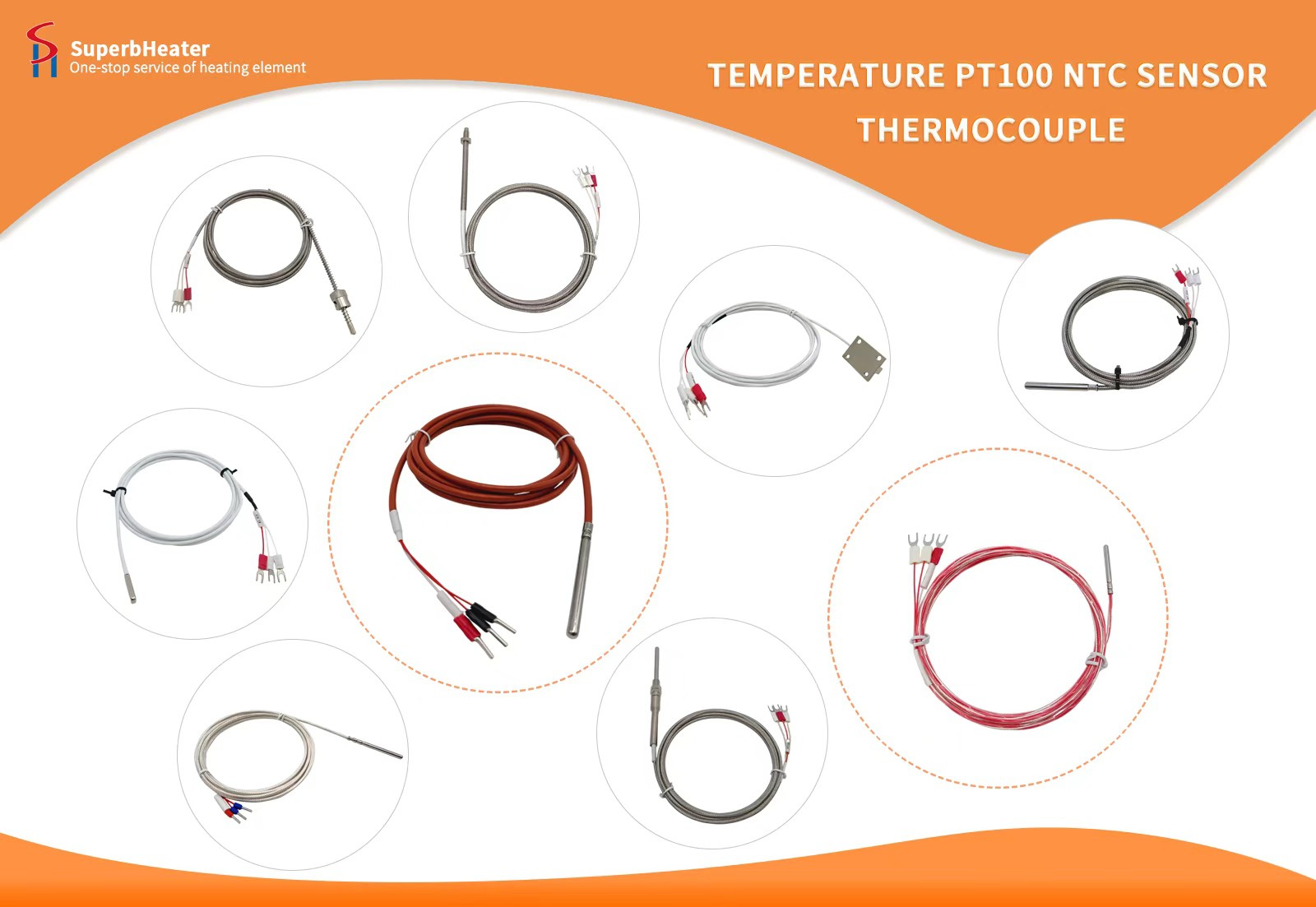

 English
- English
- Français
- Deutsch
- 日本語
- Italiano
- Español
- Português
- русский
- Indonesia
- عربي
- Ελληνικά
- Polski
- فارسی
- עברית
- Kreyòl Ayisyen
- 한국어
- Türkçe
- slovenčina
- Bai Miaowen
- Cymraeg
- dansk
- Lietuvių
- Malti
- Svenska
- Srbija jezik (latinica)
- O'zbek
- ไทย
- suomi
- magyar
- Eesti
- Català
- slovenščina
- Melayu
- Български
- اردو
- România limbi
- bosanski
- हिंदी
- Gaeilgenah Éireann
- Việt Nam
- বাংলা
- íslenska
- Norsk
- Latviešu
- hrvatski
- Nederlands
- Čeština
- українська


