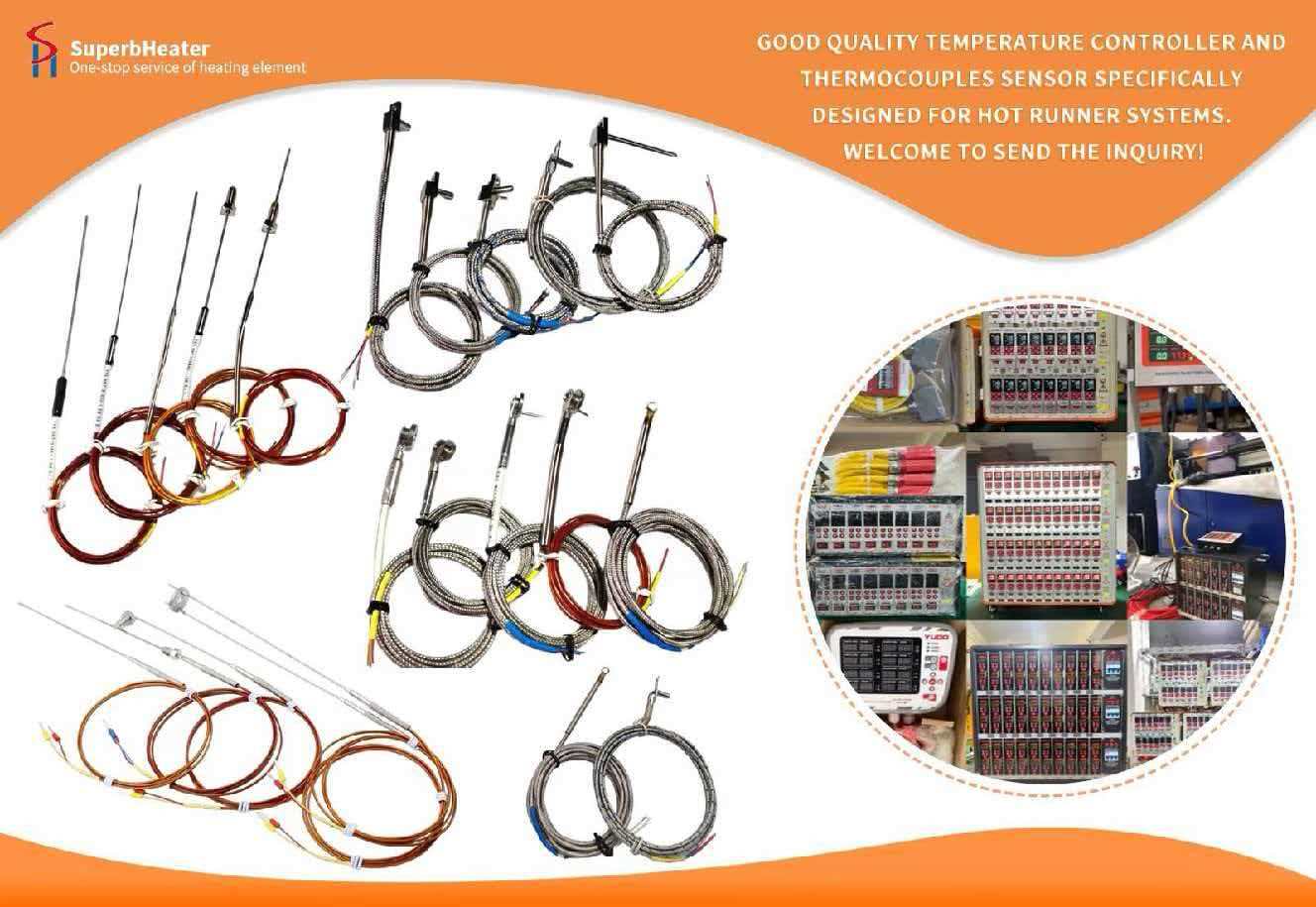
Type K, Type E, and other base metal thermocouples
Type K nickel-chromium/nickel-silicon thermocouples: Use ENiCrFe-3 welding rod to prevent alloy element burn-off; welding time ≤3 seconds; argon flow rate 6~8L/min; welding current 15~25A.
Type E nickel-chromium/constantan thermocouples: utilise an ECuNi welding rod, welding current of 10–20A, argon flow rate of 5–7L/min, and regulate the temperature rise so as not to surpass the material recrystallisation temperature.
Thermocouples made of noble metals (Type S, Type B, etc.)
Type S platinum-rhodium 10-platinum thermocouples: Silver soldering or cold pressing welding techniques are recommended to prevent coarse grains in the platinum-rhodium alloy at high temperatures. Welding current 20–35A must be used under inert gas protection.
Type B platinum-rhodium 30-6 platinum-rhodium thermocouples: To totally eradicate oxidation, vacuum arc or vacuum electron beam welding must be performed in a vacuum atmosphere with a current of 30–50A.
Tungsten-rhenium alloys and other special high-melting-point thermocouples are welded totally in a vacuum or high-purity argon-protected chamber using a welding current of 40–80A. To prevent embrittlement of the heat-affected zone, laser welding or vacuum electron beam welding are utilised with exact control over the heat input.
When thermocouples of different materials are mixed together using the same welding settings, issues such weld oxidation, alloy element burn-off, and thermoelectric property drift can quickly arise, directly leading to inadequate temperature measurement accuracy.