Heat exchangers rely on PRTs to monitor inlet and outlet temperatures, ensuring efficient thermal transfer and system reliability. Heat exchangers are used in industrial processes, HVAC, power generation, and refrigeration to transfer heat between fluids without mixing. PRTs measure temperature differences across the exchanger to calculate efficiency and detect fouling or blockages. Accurate temperature monitoring ensures optimal heat recovery, reducing energy consumption and operational costs. PRTs withstand high pressures, temperature fluctuations, and corrosive fluids common in heat exchanger systems. Sealed and corrosion-resistant designs extend service life in demanding environments. Real-time PRT data allows control systems to adjust flow rates and temperatures automatically. Multiple PRTs are installed across large exchangers to ensure uniform performance. By providing precise temperature data, PRTs help maintain heat exchanger efficiency, prevent overheating, and extend equipment life.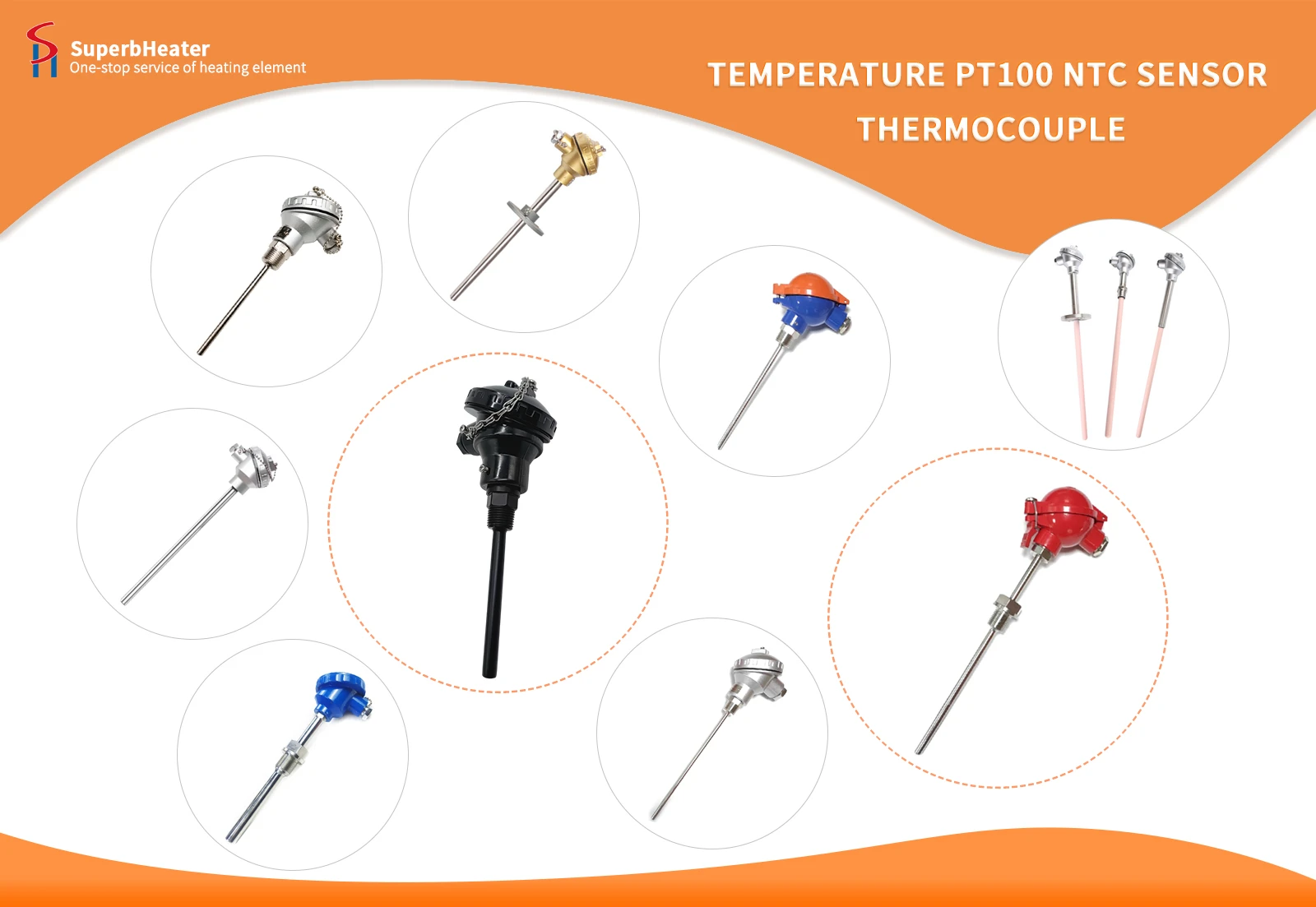

 English
- English
- Français
- Deutsch
- 日本語
- Italiano
- Español
- Português
- русский
- Indonesia
- عربي
- Ελληνικά
- Polski
- فارسی
- עברית
- Kreyòl Ayisyen
- 한국어
- Türkçe
- slovenčina
- Bai Miaowen
- Cymraeg
- dansk
- Lietuvių
- Malti
- Svenska
- Srbija jezik (latinica)
- O'zbek
- ไทย
- suomi
- magyar
- Eesti
- Català
- slovenščina
- Melayu
- Български
- اردو
- România limbi
- bosanski
- हिंदी
- Gaeilgenah Éireann
- Việt Nam
- বাংলা
- íslenska
- Norsk
- Latviešu
- hrvatski
- Nederlands
- Čeština
- українська


