Digital signal conditioning enhances PRT performance by converting analog resistance signals into stable, high-resolution digital outputs that improve accuracy, noise immunity, and communication capability. Traditional analog PRT signals are vulnerable to electrical interference, signal loss, and measurement errors, especially over long cable runs. Digital PRT systems use integrated transmitters or smart sensors to process signals at the source, reducing noise and improving reliability. Digital output provides higher resolution, allowing detection of extremely small temperature changes critical for precision processes. Digital protocols such as Modbus, HART, Profibus, and CAN bus enable direct communication with PLCs, SCADA systems, and smart factory networks. This integration supports real-time monitoring, diagnostics, and remote calibration. Digital signal conditioning also compensates for lead wire resistance, cable length effects, and environmental changes automatically, further improving accuracy. Smart digital PRTs include self-diagnostic features that detect faults, drift, or calibration changes, supporting predictive maintenance. In industrial automation, digital PRTs reduce wiring complexity and installation costs while improving system performance. By upgrading analog signals to digital, PRTs become more versatile, accurate, and compatible with modern Industry 4.0 systems.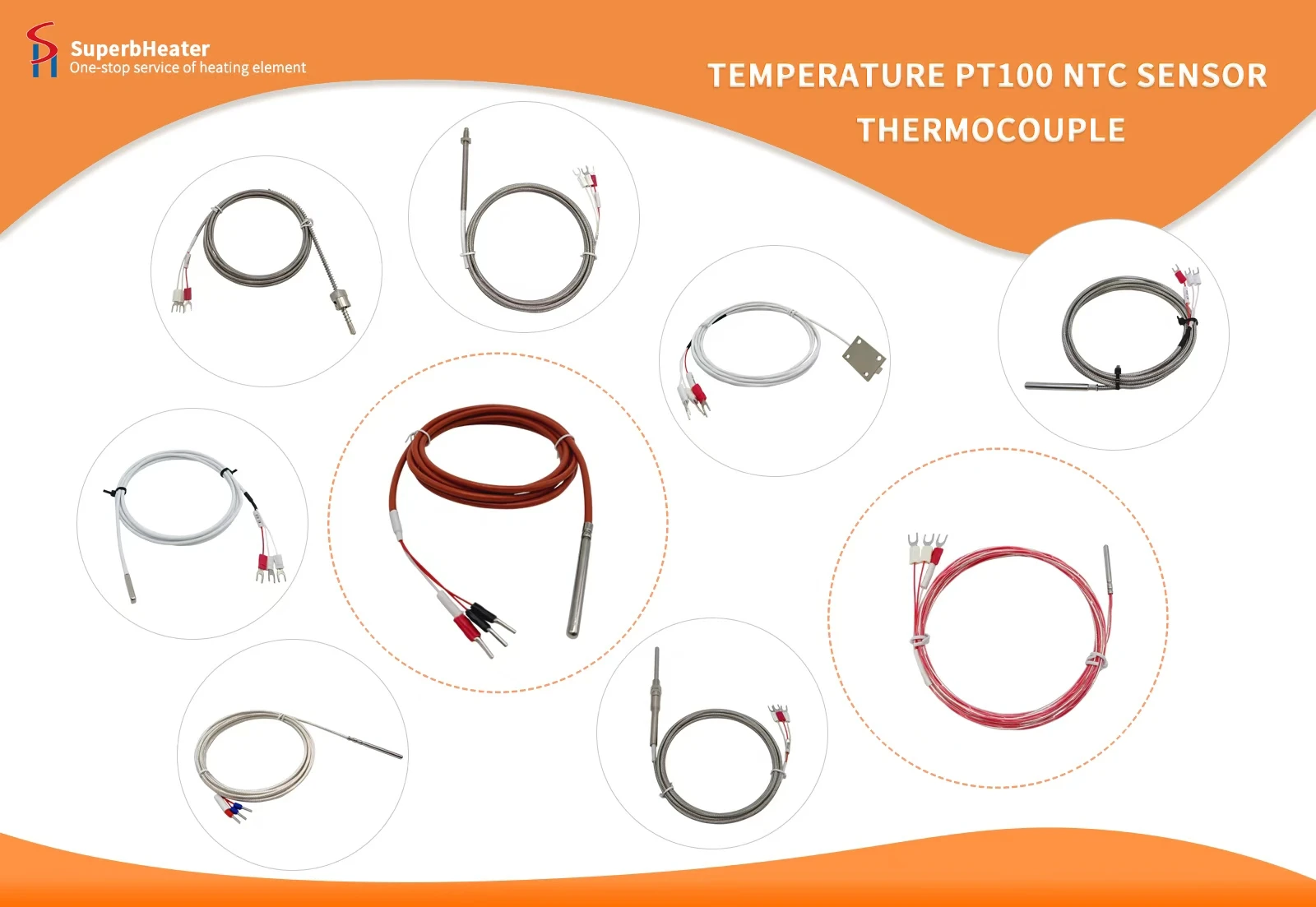

 English
- English
- Français
- Deutsch
- 日本語
- Italiano
- Español
- Português
- русский
- Indonesia
- عربي
- Ελληνικά
- Polski
- فارسی
- עברית
- Kreyòl Ayisyen
- 한국어
- Türkçe
- slovenčina
- Bai Miaowen
- Cymraeg
- dansk
- Lietuvių
- Malti
- Svenska
- Srbija jezik (latinica)
- O'zbek
- ไทย
- suomi
- magyar
- Eesti
- Català
- slovenščina
- Melayu
- Български
- اردو
- România limbi
- bosanski
- हिंदी
- Gaeilgenah Éireann
- Việt Nam
- বাংলা
- íslenska
- Norsk
- Latviešu
- hrvatski
- Nederlands
- Čeština
- українська


