I. Optimisation of Runner Structure Balancing: The use of a symmetrical H-type or X-type runner configuration guarantees that the length, diameter, and bending angle of the runners in each cavity are identical. This reduces the disparity in melt flow resistance at the source, thereby preventing localised cavity filling delays that impede the overall injection speed.
The melt flow friction resistance is reduced by the fine polishing of the runner interior walls, which enables a smoother melt flow and supports higher filling speeds without increasing shear heat.
Manual levelling is accomplished by modifying the resistance of the runner in moulds with an asymmetrical layout. The runner is widened in cavities with slower feed rates, while a flow-blocking step is added to the front of cavities with excessively rapid feed rates. This prevents excess or underfill in a single cavity by synchronising the feed speed of each cavity.
II. Accurate Matching of Gating and Venting Systems: The instantaneous melt flow rate is guarantyd by the complete uniformity of size and position of all cavity gating gates during injection. This prevents certain cavities from filling excessively rapidly, resulting in flash, while others fill slowly, resulting in underfill, as a result of variations in gate resistance.
Venting channels are symmetrically positioned in each cavity, ensuring that the venting depth and position are consistent. This prevents the obstruction of melt flow by trapped air in individual cavities, thereby eliminating the necessity to prolong the filling time for the complete removal of gas. This results in rapid filling without material shortages or scorching.
III. Injection Moulding Process Coordinated Control
A consistent and stable molten state of the raw material is guarantyd by a uniform barrel temperature, which prevents localised overheating and excessive fluidity, as well as underheating and sluggish feeding. This guarantees a consistent melt flow, even at high injection rates.
Moderate back pressure and a consistent screw speed are employed during the plasticising stage to guarantee a consistent melt density and viscosity for each injection. This reduces fluctuations in flow performance from batch to batch and supports stable high-injection-rate filling operations.
Injection rate control is implemented through a multistage, stratified approach. The initial low-speed, stable melt delivery, the mid-stage uniform filling, and the final slowdown for unified sealing, all of which ensure an overall filling speed, prevent overflow, scorching, and other quality issues that are caused by swiftly filling a single cavity.
IV. Proper Regulation of Mould Temperature and Cooling System
A parallel water-cooling system is employed to maintain a consistent temperature throughout all compartments, with temperature discrepancies being maintained at a maximum of ±2℃. This prevents the rapid filling and excessive melt flow in areas with high mould temperatures, as well as the delayed filling in areas with low mould temperatures.
The uniformity of cooling rates across all compartments guarantees that the product shrinkage and deformation are highly consistent during the moulding process. This stabilises the product's weight and appearance quality, thereby reducing the cooling cycle and preventing quality defects that may result from uneven cooling.
V. Digital-Assisted Optimisation and Hot Runner
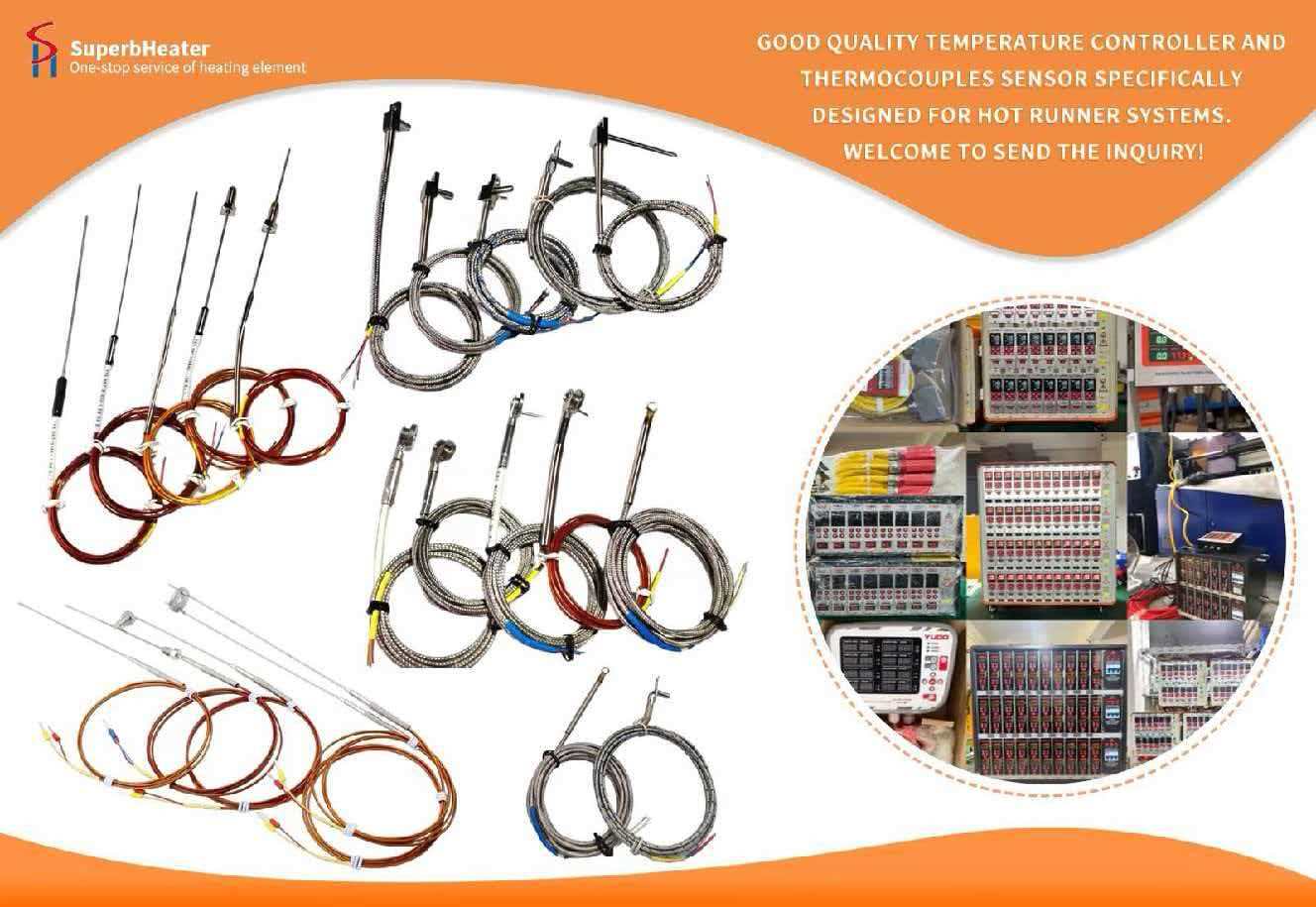
The hot runner balanced feeding structure is implemented in the high-precision multi-cavity mould. It completely eliminates filling deviations caused by cold runners, substantially improving filling speed, and ensuring highly consistent filling quality across all cavities by relying on independent temperature control and flow distribution design.
During the simulation phase, the optimal balance between filling speed and quality is identified by utilising CAE software, such as Moldflow, to simulate pressure distribution at varying injection speeds. This software anticipates potential quality risks, including insufficient weld line strength and excessive shear heat, at high injection speeds.
This balancing solution is optimally suited for the precision multi-cavity mould injection production line that you are currently operating. After its implementation, it has the potential to enhance the overall filling efficiency by over 20% and maintain the yield of multi-cavity products at over 98%.