Building a thermocouple competency center-a dedicated team, training program, and resource hub-can significantly improve a plant's thermocouple management and reduce costs. The first element is a dedicated cross-functional team. Assemble a team comprising a process engineer, a maintenance technician, a quality inspector, and a purchasing representative. This team meets monthly to review thermocouple performance data, discuss failures, and update best practices. The process engineer brings technical knowledge; the technician provides hands-on experience; the quality inspector highlights quality issues; and the purchasing representative ensures that the right sensors are procured. The second element is a comprehensive training program. Develop a training curriculum covering thermocouple basics (how they work, types, accuracy grades), installation and removal techniques, diagnostic procedures, calibration methods, and data analysis. The training should include hands-on workshops where participants practice installing, testing, and replacing thermocouples on a mock mold. The third element is a resource library. Create a digital repository of documents: thermocouple specifications for each zone, calibration certificates, installation diagrams, troubleshooting flowcharts, and maintenance schedules. This library should be accessible to all team members. The fourth element is a "lessons learned" database. Record every thermocouple failure, its root cause, and the corrective action. This database becomes a valuable reference for diagnosing future issues. The fifth element is a standardized procurement specification. The team should develop a master specification for thermocouples, covering all required parameters (type, length, connector, sheath material, etc.). This specification is used for all purchases, ensuring consistency and compatibility. The sixth element is a metrics dashboard. Track key performance indicators: thermocouple replacement frequency, mean time between failures, downtime due to thermocouple issues, scrap rate attributable to temperature variations, and calibration costs. Review the dashboard monthly to spot trends. The seventh element is a "best practices" guide. Based on the team's experience and industry literature, compile a guide for the entire plant. Topics include: "How to handle a thermocouple emergency," "How to interpret drift patterns," and "How to select a replacement sensor." The eighth element is an annual review. At the end of each year, the team reviews the year's performance, assesses the effectiveness of the training and procurement strategy, and sets goals for the next year. By building a thermocouple competency center, plants transform thermocouple management from a reactive, disjointed activity into a strategic, coordinated function. This leads to fewer failures, faster troubleshooting, lower costs, and higher quality-a direct contribution to the plant's competitive advantage.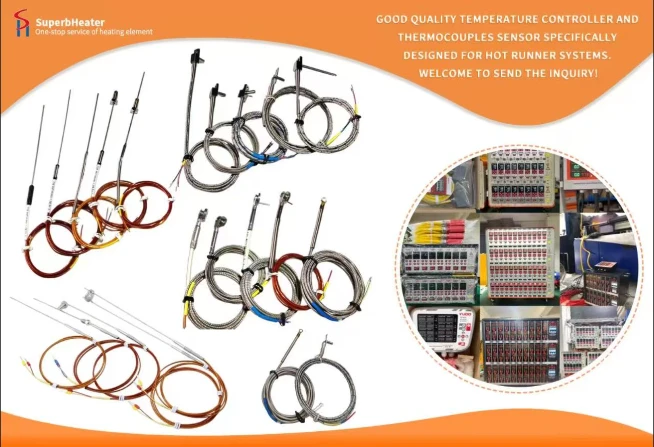

 English
- English
- Français
- Deutsch
- 日本語
- Italiano
- Español
- Português
- русский
- Indonesia
- عربي
- Ελληνικά
- Polski
- فارسی
- עברית
- Kreyòl Ayisyen
- 한국어
- Türkçe
- slovenčina
- Bai Miaowen
- Cymraeg
- dansk
- Lietuvių
- Malti
- Svenska
- Srbija jezik (latinica)
- O'zbek
- ไทย
- suomi
- magyar
- Eesti
- Català
- slovenščina
- Melayu
- Български
- اردو
- România limbi
- bosanski
- हिंदी
- Gaeilgenah Éireann
- Việt Nam
- বাংলা
- íslenska
- Norsk
- Latviešu
- hrvatski
- Nederlands
- Čeština
- українська


