The sintering temperature after magnesium oxide refilling needs to be precisely controlled within the range of 800–1000℃. Segmented temperature control and inert atmosphere protection are used to ensure sufficient recrystallization of the grains. Temperature control is a core factor determining the density and long-term stability of the insulation layer.
1. Key Parameters for Sintering Temperature Control
|
Stage |
Temperature Range |
Control Requirements |
|
Heating Stage |
Room temperature → 800–1000℃ |
Heating rate ≤ 5℃/min, to prevent thermal shock causing deformation or cracking of the metal tube. |
|
Holding Stage |
800–1000℃ |
Maintain constant temperature for 1–2 hours to promote complete recrystallization of magnesium oxide grains. |
|
Cooling Stage |
1000℃ → <200℃ |
Natural cooling with the furnace; forced air cooling or water cooling is strictly prohibited to avoid thermal stress cracking. |
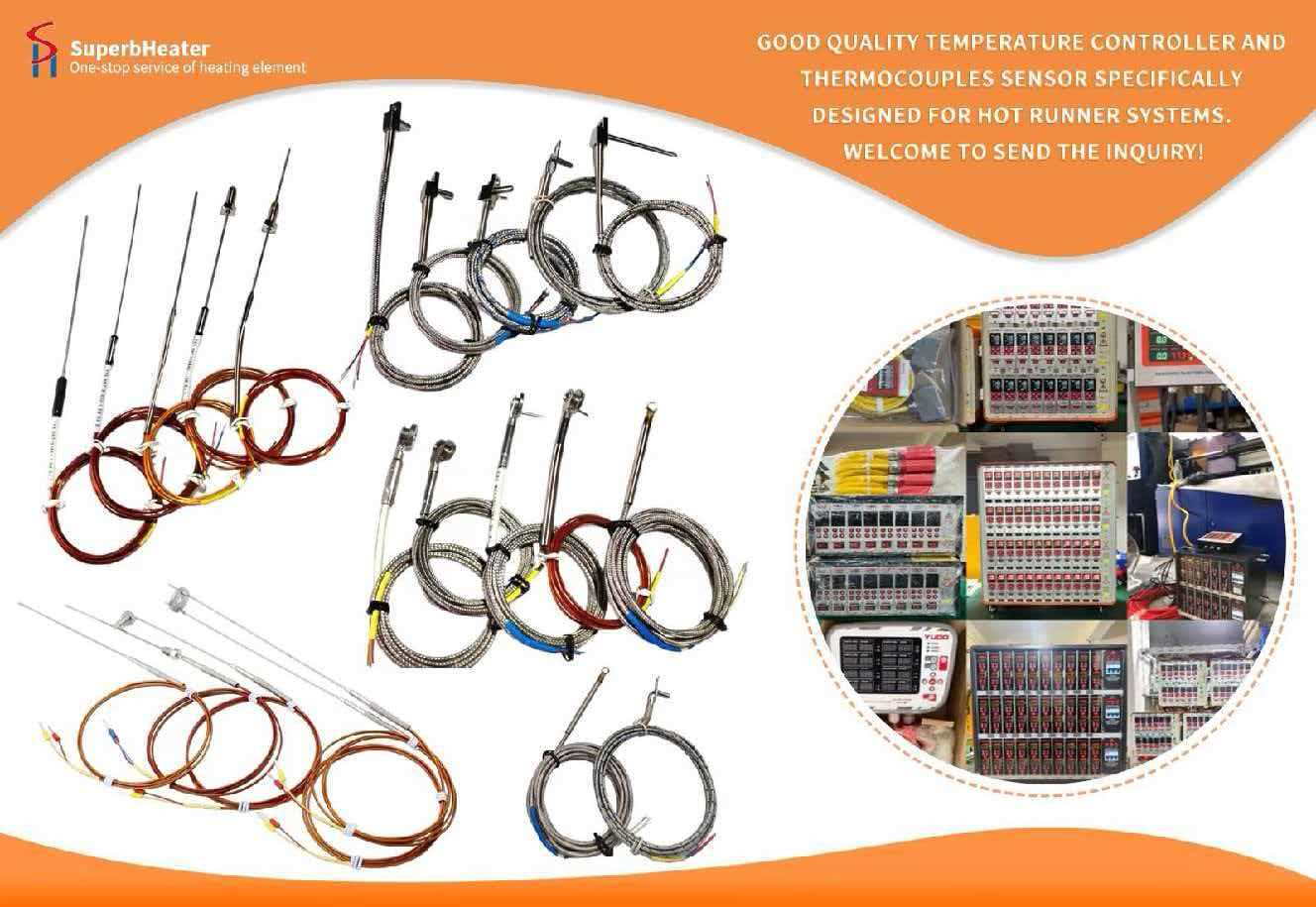
Use a PID intelligent temperature control system in conjunction with calibrated thermocouples to ensure temperature fluctuation ≤ ±10℃.
2. Atmosphere Control
Protective Gas: High-purity nitrogen (≥99.99%) is used throughout the process, with an oxygen content <100ppm.
Purpose: To prevent magnesium oxide from reacting with oxygen and moisture at high temperatures to generate impurities that affect insulation performance.
Gas Flow Rate: Maintain positive pressure inside the furnace, with the flow rate controlled at 5–10L/min to ensure a uniform atmosphere.
Using air or a substandard atmosphere can easily lead to carbonization and oxidation, causing withstand voltage breakdown.
3. Temperature Monitoring and Data Traceability
A complete thermal control curve (temperature-time graph) must be recorded for each batch of sintering. Data should be archived for at least 6 months for quality traceability.
It is recommended to select sintering equipment with automatic recording and alarm functions to improve process consistency.
Practice shows that temperatures below 800℃ or holding times of heat for less than 1 hour will cause an insulation resistance decrease of more than 30%, significantly increasing operational risks.