A long-term reliability improvement plan for thermocouples is a strategic initiative to reduce failures, minimize downtime, and extend sensor life. The first step is to assess the current state. Analyze the failure data from the maintenance log: What is the failure rate? What are the most common failure modes? Which zones have the highest failure rates? The second step is to set goals. Define specific, measurable goals, such as reducing the failure rate by 50% within 2 years, or extending the average thermocouple life from 5,000 to 8,000 hours. The third step is to identify improvement opportunities. Based on the failure analysis, identify the root causes of the failures. Are they due to corrosion? If so, switch to Inconel sheaths. Are they due to mechanical damage? If so, improve strain relief and handling. Are they due to EMI? If so, upgrade to shielded cables. The fourth step is to select the improvements. Prioritize the improvements based on their potential impact and cost. For example, a simple improvement like using a torque wrench to prevent over-tightening is cheap and can have a big impact. A more expensive improvement like upgrading to Type N thermocouples may be justified if drift is the main cause. The fifth step is to implement the improvements. Roll out the improvements on a pilot line first to test their effectiveness. The sixth step is to monitor the results. After implementing the improvements, track the failure rate, the downtime, and the scrap rate. The seventh step is to standardize the successful improvements. Once the improvements have been validated, update the SOPs and the training materials. The eighth step is to review and adjust annually. Every year, review the reliability data and adjust the plan. New technologies or new process conditions may require new improvements. The ninth step is to foster a culture of reliability. Encourage the maintenance team to report any issues and to suggest improvements. By implementing a long-term reliability improvement plan, plants can transform thermocouple management from a reactive fire-fighting activity to a proactive, strategic function. This leads to significant cost savings, improved part quality, and a more stable, predictable production process.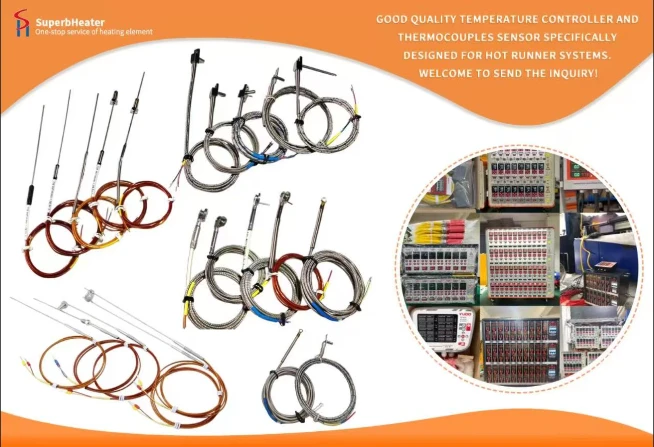

 English
- English
- Français
- Deutsch
- 日本語
- Italiano
- Español
- Português
- русский
- Indonesia
- عربي
- Ελληνικά
- Polski
- فارسی
- עברית
- Kreyòl Ayisyen
- 한국어
- Türkçe
- slovenčina
- Bai Miaowen
- Cymraeg
- dansk
- Lietuvių
- Malti
- Svenska
- Srbija jezik (latinica)
- O'zbek
- ไทย
- suomi
- magyar
- Eesti
- Català
- slovenščina
- Melayu
- Български
- اردو
- România limbi
- bosanski
- हिंदी
- Gaeilgenah Éireann
- Việt Nam
- বাংলা
- íslenska
- Norsk
- Latviešu
- hrvatski
- Nederlands
- Čeština
- українська


