Thermocouple emergencies during night shifts are a critical test of a plant's maintenance readiness. Limited staffing, reduced management oversight, and the pressure to resume production quickly can lead to hasty decisions and mistakes. A well-prepared emergency protocol is essential. The first element is a comprehensive emergency kit. This kit should contain pre-calibrated thermocouple spares for every zone in the plant, including the correct connectors and cables. The kit should also have a portable calibrator, a multimeter, a set of tools (wrenches, screwdrivers), and a flashlight. The kit must be easily accessible and checked weekly to ensure it is complete. The second element is a clear escalation procedure. Define who to call-a maintenance supervisor, a process engineer, and a plant manager. Establish a contact list with phone numbers and a defined response time. If the failure cannot be resolved within 30 minutes, the supervisor should be notified; within 60 minutes, the plant manager should be involved. The third element is the use of a "rapid diagnosis" flowchart. Create a decision tree that guides the night shift technician through the diagnostic steps: visual inspection, continuity test, insulation test, and substitution. The flowchart should lead to a definitive diagnosis within 10 minutes. The fourth element is a pre-scripted communication protocol. The technician should have a template for reporting the issue to the supervisor: zone number, symptoms (e.g., alarm, erratic reading), actions taken, and estimated repair time. This allows the supervisor to make informed decisions remotely. The fifth element is a "hot swap" procedure. For critical zones, have a pre-wired replacement thermocouple with its connector already attached. The replacement can be installed and connected in minutes, compared to the time to find the right connector and wire it. The sixth element is a "production isolation" plan. If the emergency occurs on one zone, the rest of the machine can continue running. The technician should be trained to isolate only the faulty zone, turning off its heater and leaving the others active. This minimizes production loss. The seventh element is post-repair verification. After replacement, the technician must run a short production test (e.g., 10 cycles) and inspect the parts. This prevents restarting production with an unresolved issue. By preparing for night shift emergencies with clear protocols, training, and equipment, plants can reduce downtime, prevent costly mistakes, and ensure that production is restored safely and correctly. Night shift failures should not be treated as a lower-priority problem-they are a critical aspect of overall plant reliability and deserve the same level of attention as day-shift issues.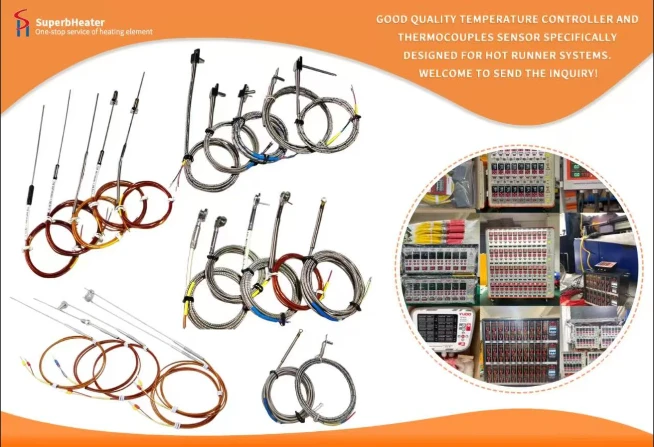

 English
- English
- Français
- Deutsch
- 日本語
- Italiano
- Español
- Português
- русский
- Indonesia
- عربي
- Ελληνικά
- Polski
- فارسی
- עברית
- Kreyòl Ayisyen
- 한국어
- Türkçe
- slovenčina
- Bai Miaowen
- Cymraeg
- dansk
- Lietuvių
- Malti
- Svenska
- Srbija jezik (latinica)
- O'zbek
- ไทย
- suomi
- magyar
- Eesti
- Català
- slovenščina
- Melayu
- Български
- اردو
- România limbi
- bosanski
- हिंदी
- Gaeilgenah Éireann
- Việt Nam
- বাংলা
- íslenska
- Norsk
- Latviešu
- hrvatski
- Nederlands
- Čeština
- українська


