A structured training program for new maintenance technicians ensures that they acquire the necessary skills to install, diagnose, and maintain hot runner thermocouples without causing damage or errors. The program should be divided into three phases: theoretical, practical, and on-the-job. Phase 1: Theory (Classroom). Cover the basics: what a thermocouple is, the Seebeck effect, thermocouple types (J, K, N), accuracy grades, and how they are calibrated. Explain the hot runner system and the role of thermocouples in temperature control. Introduce the key components: the probe, the cable, the connector, and the controller. Discuss common failure modes: open circuit, short circuit, drift, and noise. Teach the diagnostic tools: multimeter, megohmmeter, pyrometer, and calibrator. This phase should include a quiz to ensure comprehension. Phase 2: Practical (Workshop). Hands-on exercises on a mock hot runner setup. Practice installing and removing thermocouples using a torque wrench to apply the correct torque. Practice measuring resistance, insulation resistance, and millivolt output. Perform a continuity test, an insulation test, and a calibration check. Use a pyrometer to measure the temperature of a heated block and compare it with the controller reading. Practice diagnosing a faulty thermocouple using a step-by-step flowchart. Each technician should complete a "practical exam" where they install a thermocouple, verify its operation, and diagnose a simulated fault. Phase 3: On-the-Job (Mentorship). The new technician is assigned to an experienced mentor for a period (e.g., 2 weeks). They work together on actual maintenance tasks, with the mentor providing guidance and feedback. The new technician initially observes, then gradually takes on more responsibility under supervision. The mentor assesses the technician's competence in: selecting the correct spare, installing it correctly, interpreting the diagnostic data, and documenting the replacement. At the end of the mentorship, the mentor provides a final competency assessment. The training program should also cover safety: the risk of burns from hot surfaces, the risk of electrical shock, and the proper use of personal protective equipment (gloves, safety glasses). A log should be kept for each technician, documenting their progress. Refresher training should be conducted annually to update knowledge. By investing in a comprehensive training program, plants ensure that new technicians are competent and confident, reducing the risk of installation errors and diagnosing issues correctly, minimizing downtime and improving overall reliability.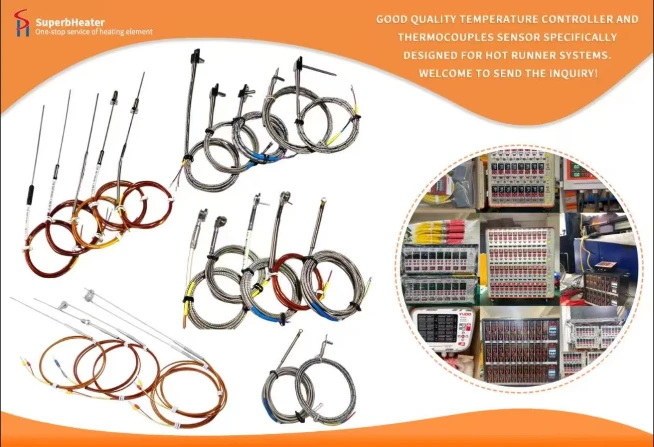

 English
- English
- Français
- Deutsch
- 日本語
- Italiano
- Español
- Português
- русский
- Indonesia
- عربي
- Ελληνικά
- Polski
- فارسی
- עברית
- Kreyòl Ayisyen
- 한국어
- Türkçe
- slovenčina
- Bai Miaowen
- Cymraeg
- dansk
- Lietuvių
- Malti
- Svenska
- Srbija jezik (latinica)
- O'zbek
- ไทย
- suomi
- magyar
- Eesti
- Català
- slovenščina
- Melayu
- Български
- اردو
- România limbi
- bosanski
- हिंदी
- Gaeilgenah Éireann
- Việt Nam
- বাংলা
- íslenska
- Norsk
- Latviešu
- hrvatski
- Nederlands
- Čeština
- українська


