Integrating thermocouple data with predictive maintenance (PdM) software transforms raw temperature readings into actionable intelligence, enabling proactive maintenance and reducing unplanned downtime. The first step is to establish a data connection. Most modern temperature controllers offer communication interfaces such as Ethernet/IP, Modbus TCP, or OPC UA. Connect the controller to the plant network and configure the PdM software to poll the data at regular intervals (e.g., every 10 seconds). The second step is to define the key performance indicators (KPIs) that the software will monitor. These include: steady-state temperature deviation from setpoint (drift), heater power percentage trend, temperature noise (standard deviation), response time during startup, and insulation resistance (if measured). The third step is to set thresholds for each KPI. For example, if the drift exceeds ±1.5°C, trigger a warning; if it exceeds ±2.5°C, trigger an alarm. If the power percentage increases by 15% over a month, generate an inspection alert. The fourth step is to use machine learning algorithms. Train the software on historical data to recognize the "signature" of a healthy thermocouple. When the real-time signature deviates from the healthy model, the software flags the zone for attention. This is more sophisticated than simple threshold alarms and can detect subtle changes that precede failure. The fifth step is to create a maintenance recommendation engine. Based on the detected anomaly, the software suggests a corrective action: "Zone 5 drift is increasing. Recommend calibration within 7 days." "Zone 12 power percentage is high. Recommend heater inspection." The sixth step is to integrate the PdM software with the computerized maintenance management system (CMMS). When a thermocouple issue is detected, the software automatically generates a work order in the CMMS, assigning it to the appropriate technician and prioritizing it based on urgency. The seventh step is to use the software to track maintenance effectiveness. After a thermocouple is replaced, the software should measure the improvement in KPIs, confirming that the maintenance action resolved the issue. The eighth step is to use the software for lifecycle management. Based on the degradation rate, the software can predict the remaining useful life of each thermocouple, allowing scheduled replacement before failure. By integrating thermocouple data with PdM software, plants move from a reactive "fix it when it breaks" approach to a predictive "fix it before it breaks" approach. This reduces downtime, extends thermocouple life, and lowers maintenance costs, leveraging data as a strategic asset for operational excellence.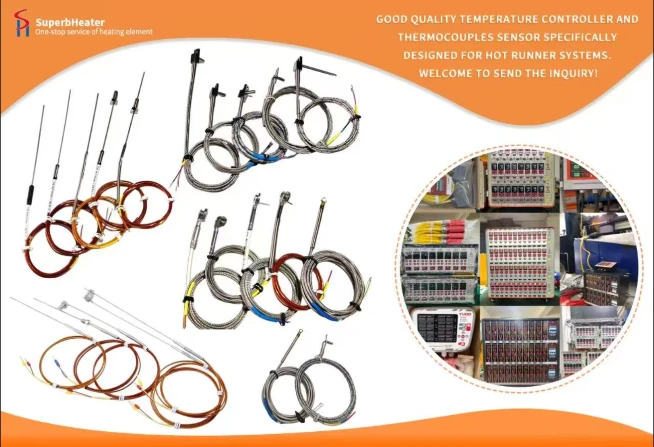

 English
- English
- Français
- Deutsch
- 日本語
- Italiano
- Español
- Português
- русский
- Indonesia
- عربي
- Ελληνικά
- Polski
- فارسی
- עברית
- Kreyòl Ayisyen
- 한국어
- Türkçe
- slovenčina
- Bai Miaowen
- Cymraeg
- dansk
- Lietuvių
- Malti
- Svenska
- Srbija jezik (latinica)
- O'zbek
- ไทย
- suomi
- magyar
- Eesti
- Català
- slovenščina
- Melayu
- Български
- اردو
- România limbi
- bosanski
- हिंदी
- Gaeilgenah Éireann
- Việt Nam
- বাংলা
- íslenska
- Norsk
- Latviešu
- hrvatski
- Nederlands
- Čeština
- українська


