I. Real-time Online Monitoring of the Temperature Control System
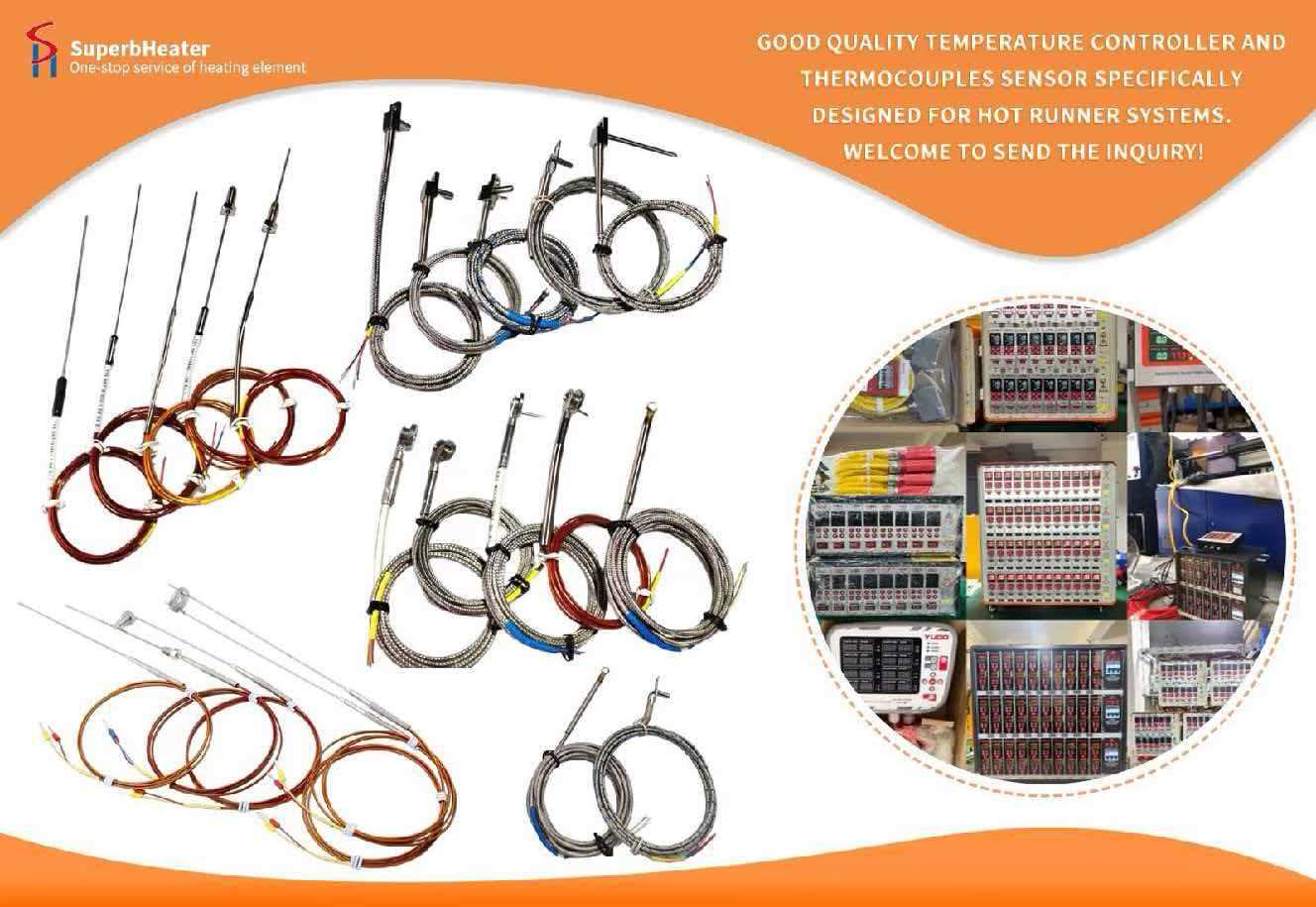
Synchronous Data Acquisition Across All Channels: Using the temperature control box配套 with the hot runner, view the set temperature, actual temperature, and output power data of all heating zones in real time, confirming that the heating rate deviation of each channel is ≤1℃/minute.
Over-temperature/Under-temperature Alarm Threshold Setting: Set the alarm threshold for each channel in advance to ±5℃ of the set temperature. In case of abnormalities such as temperature jumps, over-temperature, or under-temperature lag, the system immediately triggers an audible and visual alarm for immediate action.
Full-Process Recording of Heating Curve: Enable the data recording function of the temperature control system to automatically generate a full-stage heating curve. Compare it with the standard heating curve of the same material to identify abnormal temperature plateaus near 100℃, investigating hidden moisture or material decomposition issues.
II. Contact Temperature Measurement Verification and Monitoring
Embedded Sensor Calibration: Use a high-precision digital multimeter to compare the measured thermoelectric potential of the built-in thermocouples in the hot runner channel channel by channel, confirming that the sensor temperature measurement deviation is ≤±1℃, avoiding falsely high/low temperature displays.
Surface Contact Temperature Measurement: Using a contact-type surface thermocouple thermometer, directly measure the metal surface temperature of key components such as the hot runner plate, nozzles, and flanges to confirm the absence of localized hot spots and an overall temperature difference ≤ ±3℃.
III. Non-Contact Infrared Temperature Measurement Inspection
Full-Area Scanning Temperature Measurement: Using a calibrated infrared thermometer, scan multiple points on the surface of the runner plate, wiring terminals, heater mounting positions, etc., at a distance of 15-20cm from the hot runner, avoiding ambient light interference, to identify localized overheating points not covered by the temperature control system.
Inspection Frequency Matches Material Grade: Scan once every 20 minutes for general materials and once every 5-10 minutes for easily degradable sensitive materials to promptly detect hidden localized overheating.
IV. Temperature Monitoring Key Points for Special Scenarios
Large Multi-Cavity Hot Runners: Add monitoring with a pre-embedded temperature measurement point in the center of the runner plate to avoid false normalities where the surface temperature meets the standard but the temperature in deeper internal areas lags behind.
High humidity environment conditions: Intensify temperature monitoring during the heating phase to 100℃ to ensure no prolonged temperature stagnation, preventing moisture vaporization and heat absorption that could lead to abnormal temperatures and material hydrolysis and degradation.
Processing easily degradable materials: After the material's safety threshold is reached, perform a full-channel temperature check every 5 minutes to ensure temperature fluctuations are ≤±2℃, eliminating the risk of overheating and degradation.
V. Abnormal Handling Rules
If the temperature of any channel is continuously exceeded by more than 3℃, immediately cut off the heating output of that channel, investigate for faults such as heater short circuits, sensor displacement, and abnormal PID parameters, and only resume heating after the issues have been resolved.