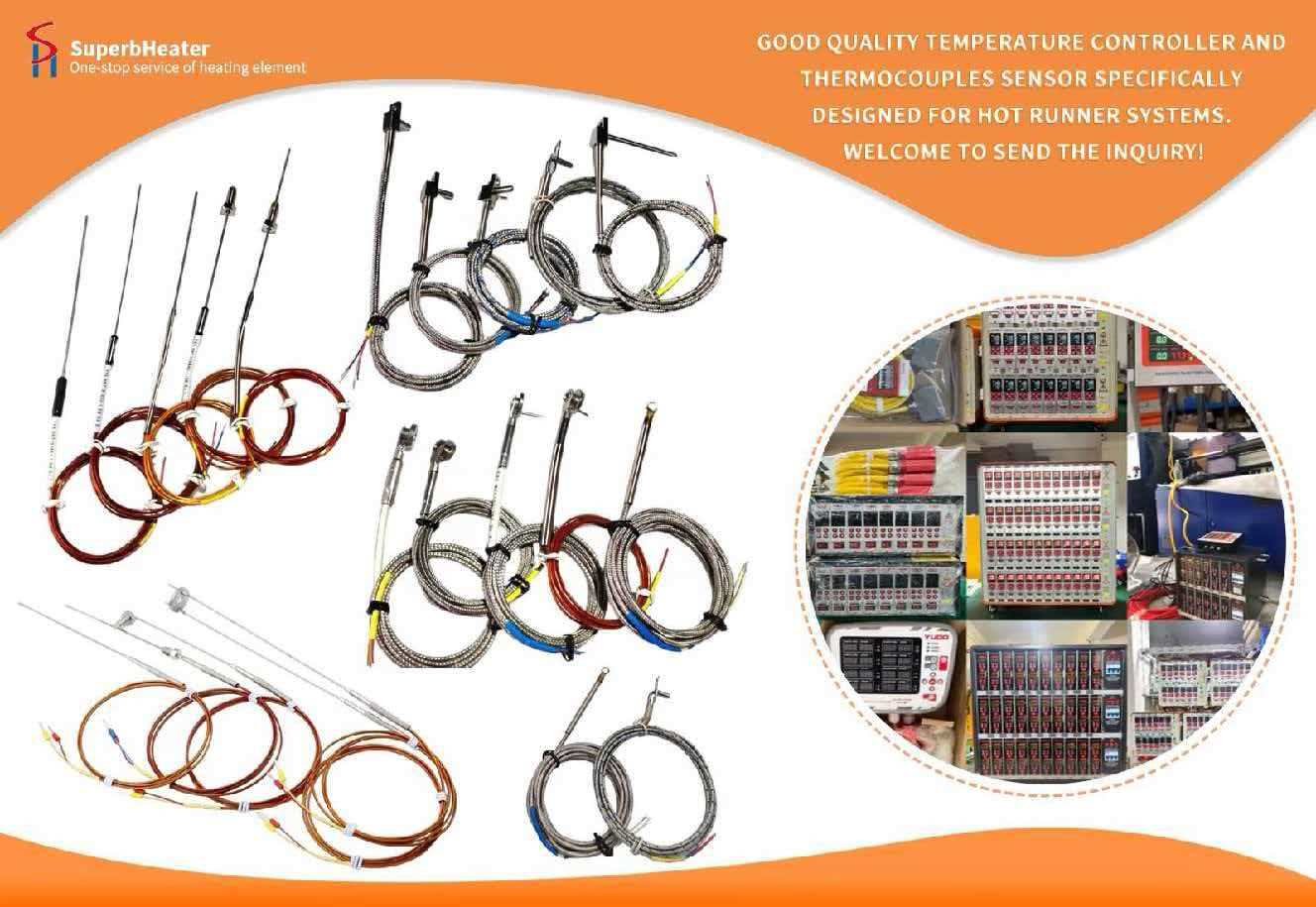
I. Precise Temperature Control: Ensure that the barrel, nozzle, and mould temperatures are identical to the raw material characteristics. Avoid temperatures that are too high, as they can cause raw material degradation and discolouration, and too low, which can result in incomplete plasticization and insufficient filling.
The temperature control sensor should be calibrated in a timely manner to ensure that temperature fluctuations are <= ±0.5℃, thereby eliminating batch defects caused by temperature drift. The deviation between the actual and set temperatures should be regularly monitored.
II. Coordinated Optimisation of Pressure and Speed: Adequately establish the injection pressure to prevent flash and mould deformation caused by excessive pressure, as well as incomplete filling and material shortages caused by insufficient pressure.
To enhance melt density and mitigate defects such as bubbles and silver streaks, regulate the back pressure within the acceptable range of 3 to 8 bar.
To prevent the impact of a high-speed melt on the mould, which can result in scratches, trapped air, and burning, it is recommended to employ a slow-fast-slow speed curve for complex cavities.
III. Dynamic Matching of Time Parameters: Ensure that the injection time is precisely adjusted to ensure that the melt fills the cavity smoothly, thereby preventing premature melt cooling and excessive shear heat that can result from excessively rapid filling and overly slow filling.
To prevent insufficient holding pressure, which can result in shrinkage marks, and excessive holding pressure, which can cause excessive internal stress and product cracking, set the holding pressure duration to match the gate cooling time.
To prevent product deformation and ejection whitening, it is important to gradually optimise the chilling time to ensure that the product is sufficiently cooled.
IV. Optimise the parameters of a multi-cavity mould in order to prevent dimensional deviations caused by uneven filling in local cavities. This is achieved by utilising the hot runner's high-precision temperature control capability to ensure a uniform temperature in each zone with a filling time difference of ≤0.1s between cavities.
Ensure that all cavities are filled synchronously by unifying the filling speed curves of each cavity. This will prevent situations in which some cavities are overfilled with flash or underfilled with insufficient material.
V. Process window solidification and control: Ensure that verify and mature process parameters are solidified and stored in the formula library for easy recall during production and material changes. Employees are strictly prohibited from arbitrarily altering process parameters.
To prevent batch waste caused by parameter malfunctions and ensure accurate parameter display, it is necessary to regularly calibrate the injection moulding machine's pressure, speed, and temperature sensors.
This parameter optimisation solution is optimally adapted for the precision hot runner multi-cavity mould injection production line that you are currently operating. It has the potential to considerably reduce defects, including appearance, size, and deformation, and to stabilise the mass production yield after implementation.