The core principle behind diagnosing hot runner aging via temperature irregularities lies in detecting deviations between actual temperatures and setpoints, analyzing temperature differentials between zones, and observing trends in these variations. When the temperature differential within a specific zone consistently exceeds ±2°C, or when the actual temperature at a nozzle tip falls more than 5°C below its setpoint-and this discrepancy shows a widening trend-it can be concluded that the system has begun to age. This condition is typically caused by heating element degradation, thermocouple drift, or carbon buildup within the runner channels; therefore, a comprehensive verification involving hardware inspection is required.
1. Temperature Field Mapping: Identifying the Source of Irregularity
After preheating the mold to a stable operating temperature and maintaining it for two hours, use a calibrated contact thermometer to measure the actual temperature point-by-point at the tip of each hot nozzle and across the surface of the manifold plate.
Diagnostic Criteria:
Temperature differential within a single zone > ±2°C: Indicates uneven heating, potentially due to a decline in the heating element's power output.
Nozzle tip temperature < 5°C below setpoint: Reflects significant heat loss at the end of the runner channel, often attributed to carbon buildup or inadequate thermal insulation.
Cumulative temperature differential increases by ≥ 2°C over three consecutive measurements: Suggests that the aging process is actively progressing rather than being a result of random fluctuations.
Operational Recommendation: Perform this procedure every three months to create a "Temperature Field Distribution Map," facilitating effective trend tracking.
2. Comparison with Historical Data: Confirming Degradation Trends
Compare the currently measured temperatures against the equipment's initial acceptance data or the baseline values established during the original installation.
Key Indicators:
The heating response time for a specific zone has increased by more than 30%.
The setpoint temperature must be manually increased (e.g., by +10°C) to maintain proper mold filling.
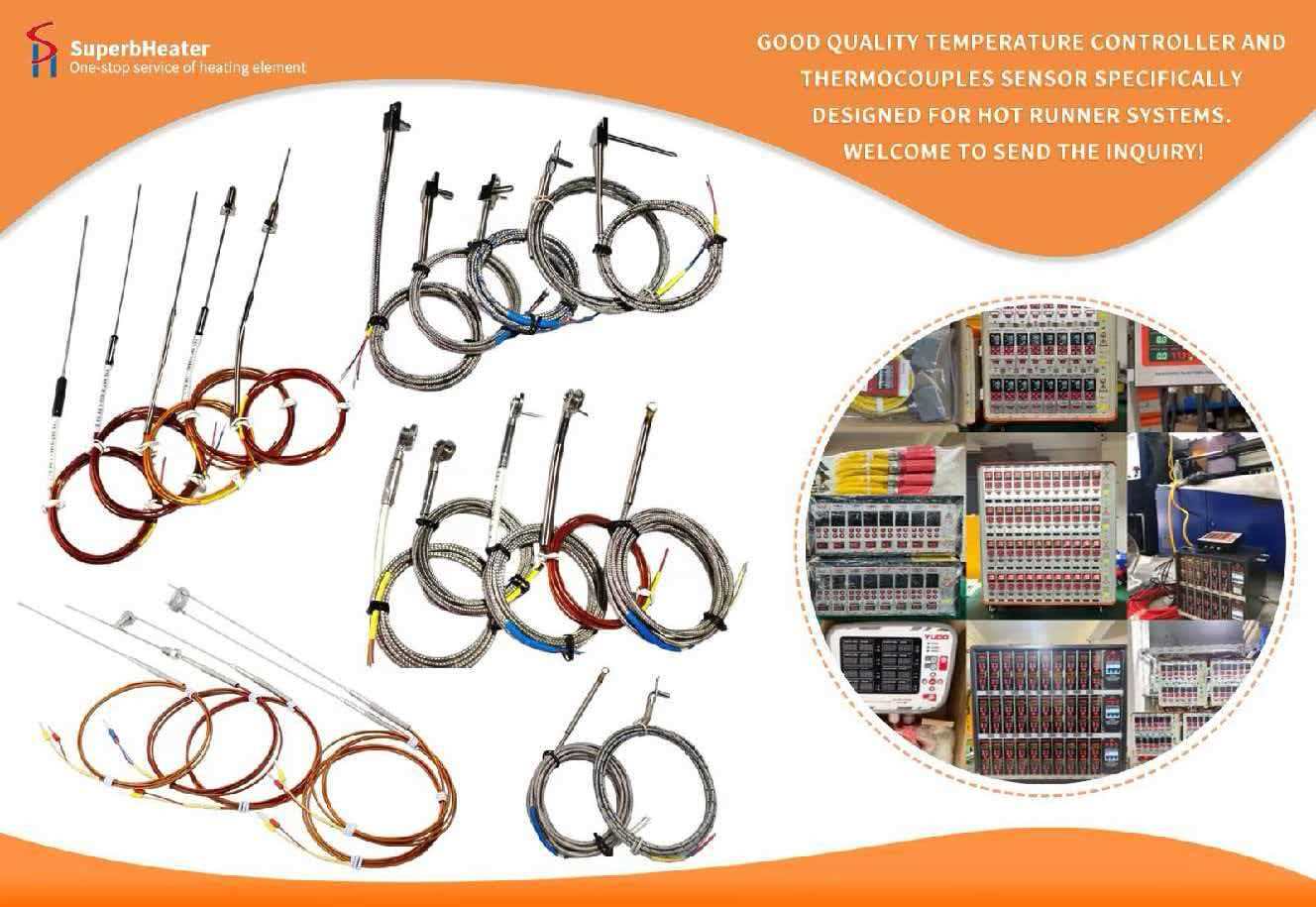
The temperature controller displays a "Normal" status, yet the actual temperature remains lower than expected; this suggests a drift in the thermocouple signal.
Empirical Example: In a specific connector mold application, it was discovered that the actual temperature at Hot Nozzle #2 consistently ran 6°C lower than the setpoint over an extended period. This issue was traced back to an aging thermocouple; replacing the component restored temperature consistency.
3. Integration with Process Monitoring: Validating the Impact of Temperature Irregularities
Utilize the injection molding machine's control interface-or a dedicated process monitoring system such as Shotscope NX-to observe and analyze the stability of the mold filling time and pressure curves.
Associated Indicators:
Filling time fluctuation > ±0.5 seconds;
Weight variation in multi-cavity products widens from ±1% to > ±2.5%;
Pressure fluctuation intensifies during the holding phase, reflecting inconsistent melt flowability.
Note: These dynamic anomalies are often the indirectly amplified consequences of uneven temperature distribution.
4. Comprehensive Assessment: Avoiding Misdiagnosis
A temperature difference alone cannot be directly classified as "aging"; it must be corroborated by at least one of the following two pieces of evidence:
|
Supporting Evidence |
Diagnostic Significance |
|
Heater band resistance deviation > ±10% |
Confirms hardware degradation; rules out issues with temperature control settings. |
|
Abnormal thermocouple resistance or signal drift |
Rules out temperature measurement errors; confirms the true temperature difference within the system. |
|
Temperature difference narrows by <30% after carbon removal |
Suggests the presence of structural deterioration, rather than merely carbon buildup. |
Diagnostic Logic: Temperature Unevenness + Component Performance Exceeding Limits = Confirmed Aging; conversely, if only temperature fluctuations are observed while components remain within specifications, the issue is likely a temporary process disturbance.