I. Rapid Troubleshooting for Pre-Production
Conduct a brief test, remove the semi-finished product that has been filled to 80%, and visually identify the cavities where the filling is occurring at an excessively rapid or sluggish rate. Within five minutes, identify the core cavity that is characterised by an imbalance in the filling.
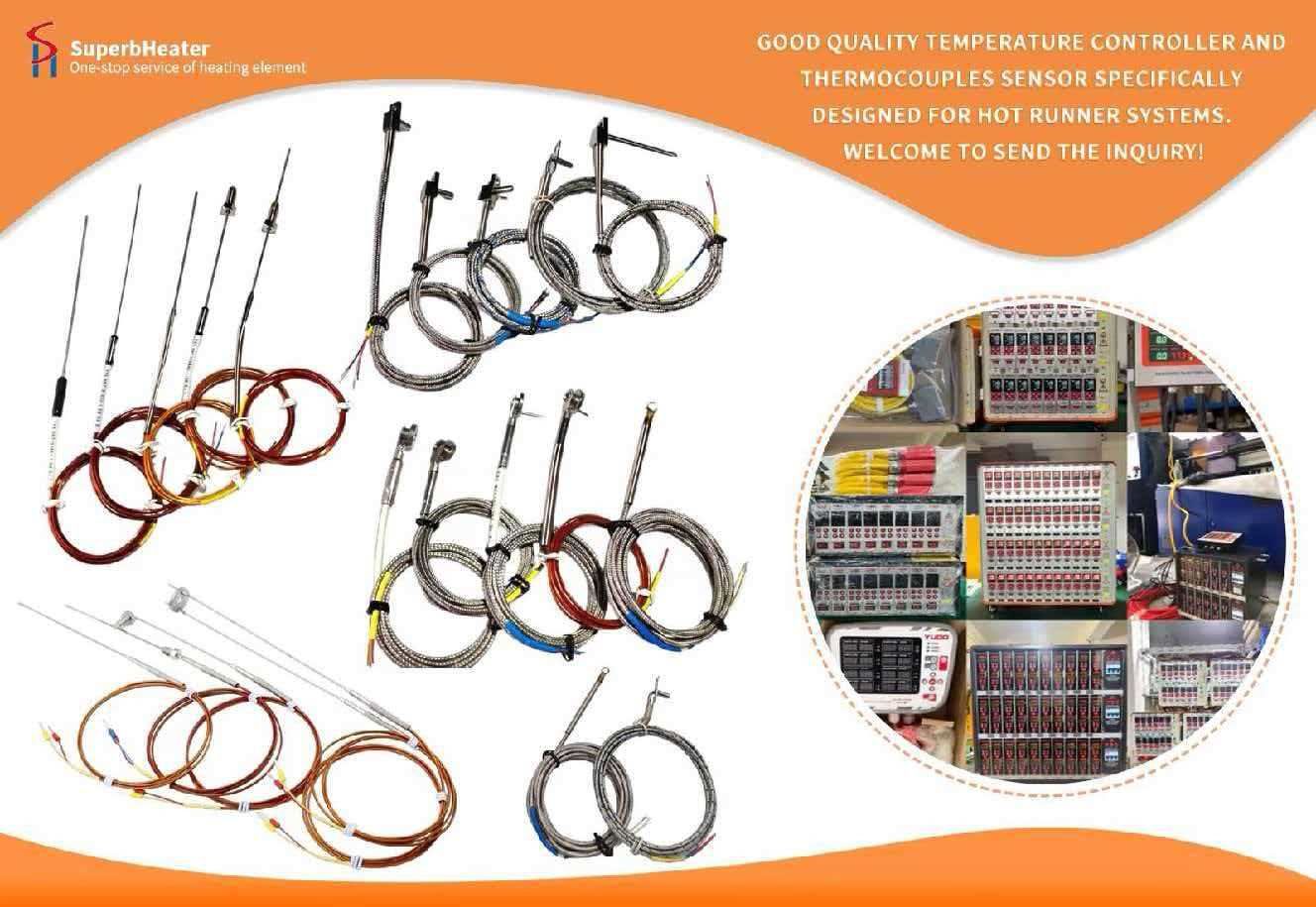
Immediately calibrate the actual temperature of all hot runner nozzles using a standard temperature gauge to prevent uneven filling caused by temperature deviations and to confirm that there is no temperature drift.
II. Rapid Adjustment of the Temperature of the Hot Runner
To reduce the local melt viscosity and accelerate the filling speed of cavities with slow filling, increase the set temperature of the corresponding hot runner nozzle by 3-5°C.
To slightly increase the melt viscosity and slow down the filling speed of cavities with rapid filling, reduce the set temperature of the corresponding hot runner nozzle by 2-3°C.
Perform another short-shot test to verify the adjustment effect, gradually reducing the filling length difference between cavities, after waiting 2-3 minutes for the temperature to stabilise after each adjustment.
III. Rapid Adjustment to the Injection Moulding Process
A multi-stage, stratified injection speed adjustment is implemented. The main cavity section employs a medium-speed fill, while the final section reduces speed to ensure homogenous sealing, thereby preventing premature filling and overflow in localised cavities. The main runner employs a low-speed, stable feed.
The injection pressure is maintained at 70%–80% of the equipment's maximum value to guarantee that all cavities are filled simultaneously, thereby eliminating the necessity for repeated, substantial pressure parameter adjustments.
The holding pressure switching point is established when all cavities are 95% filled, enabling a unified transition of holding pressure to prevent overfilling or underfilling in specific cavities.
IV. Rapid Verification and Curing
The weight CV value is determined by performing a continuous random selection of twenty mould samples and utilising a standard electronic scale. Successful adjustment is indicated by a CV that is less than 2%.
The current process parameters are directly cured, completing the preparation for small-batch production, and the absence of differential defects is confirmed by a rapid full-scale appearance inspection.
This adjustment scheme is optimally suited for small-batch production scenarios, as it necessitates no substantial hardware investment, significantly reduces material waste during trial moulding, and significantly shortens the setup time.