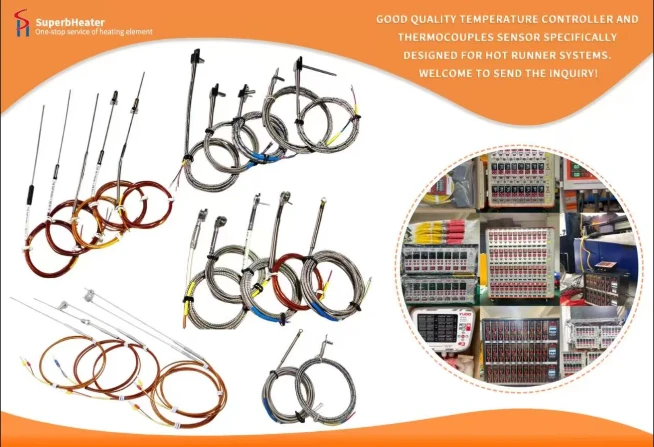
Temperature controllers generate alarm codes that tell you exactly what's wrong-if you know how to read them. Most maintenance technicians ignore the codes and jump to replacement. But the codes usually point to the root cause, saving diagnostic time.
Common Alarm Codes and Their Meaning
"trG" is a temperature alarm-the zone has exceeded its setpoint by the programmed limit. This often means the thermocouple is reading low, so the controller applied heat and overshot. Or the heater is stuck on (welded relay). "tHY" is a thyristor alarm-the power module is faulty. "rSC" is a residual current alarm-leakage to ground, often from moisture or insulation breakdown. "IOL" is a current alarm-heater open or shorted. Learning these codes is the first step to rapid diagnosis.
What trG Actually Tells You
A trG alarm doesn't automatically mean the thermocouple is bad. It means the temperature exceeded the upper limit. The thermocouple might be reading accurately, and the heater is stuck on. Or the thermocouple might be reading low, causing the controller to overheat. The alarm code tells you the symptom; you still need to diagnose the cause. Check the actual temperature with a contact pyrometer to verify.
What rSC Tells You About Your Mold
rSC alarms are moisture-related. If you see rSC after a mold is installed, the thermocouple cable may have moisture in it from cleaning or condensation. If you see rSC during humid seasons, the mold may be drawing moisture from the air. Dry the connector area thoroughly. If the alarm persists, the insulation resistance has degraded and the sensor may need replacement.
The Importance of Alarm History
Some controllers store alarm history. Reviewing past alarms reveals patterns. If a zone triggers trG alarms every Monday morning, the problem might be that the mold is cold and the controller overshoots during startup. Adjusting the startup parameters resolves the issue. If a zone triggers rSC alarms only after heavy rain, moisture ingress is the problem. Without the alarm history, these patterns are invisible.
Alarm Bypass-A Dangerous Practice
Some technicians bypass alarms to keep production running. This is a terrible idea. The alarms exist to protect the heater, the mold, and the product. Running with an active alarm is asking for equipment damage and quality problems. If an alarm is triggering, stop and diagnose. The downtime is less costly than the consequences of ignoring the alarm.
Interpreting Multiple Alarms
If you see multiple alarms on different zones simultaneously, the problem is often a common cause-power supply issue, communication error, or environmental factor. If one zone has multiple alarms (trG and rSC together), the thermocouple insulation is likely failing, causing both temperature error and ground leakage. Multiple alarms on a single zone point to a system problem.
Documenting Alarm Codes
Keep a log of alarm codes and their resolutions. This log becomes a troubleshooting guide for your specific equipment. Over time, you'll learn which alarm codes on your particular controllers usually indicate specific problems. This institutional knowledge is invaluable.
---