As an expert in electric heating and chemical processing, I stress that sensors in chemical plants must resist strong acids, alkalis, solvents, and corrosive gases. Ordinary sensors corrode rapidly and fail, causing safety risks. This article guides users in chemical sensor selection. Chemical sensors use highly resistant materials: 316L stainless steel, Hastelloy, titanium, PTFE (Teflon), and PVDF. Material must match the specific chemical. Full hermetic sealing prevents corrosive media ingress. Seals and gaskets must also be chemical-resistant. Temperature and pressure resistance suits process conditions. Common chemical hazards: - Corrosion and material dissolution - Cracking and leakage - Signal drift and failure - Safety risks Applications include: - Chemical reactors - Plating and etching lines - Wastewater treatment - Storage tanks - Pipeline monitoring Regular inspection detects corrosion early. Proper cleaning removes chemical residues without damaging the sensor. Only certified chemical-resistant sensors ensure safety and reliability in aggressive environments. As a professional electric heating and chemical sensor expert, I remind users that material compatibility is critical. Correct selection prevents failure and accidents.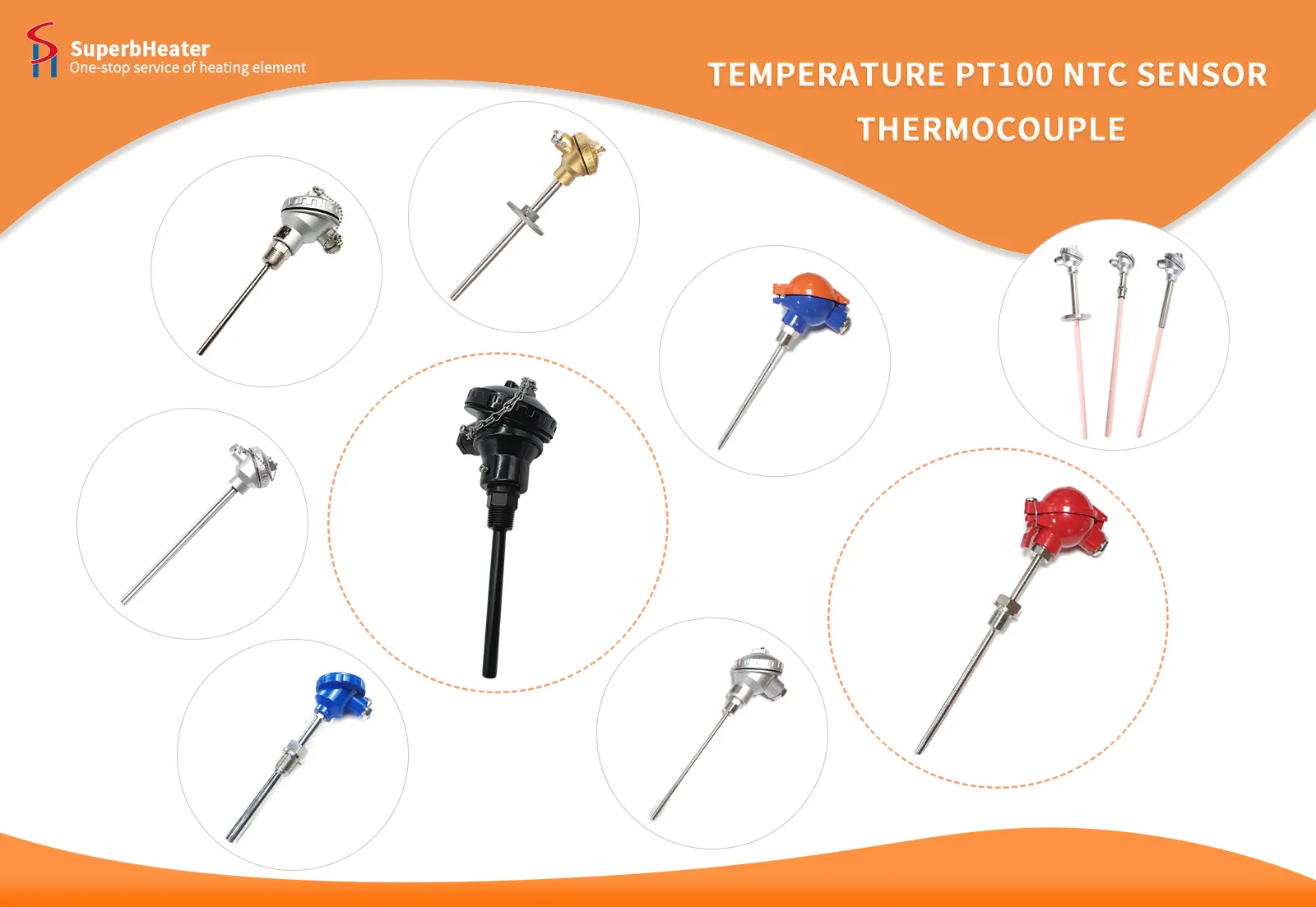

 English
- English
- Français
- Deutsch
- 日本語
- Italiano
- Español
- Português
- русский
- Indonesia
- عربي
- Ελληνικά
- Polski
- فارسی
- עברית
- Kreyòl Ayisyen
- 한국어
- Türkçe
- slovenčina
- Bai Miaowen
- Cymraeg
- dansk
- Lietuvių
- Malti
- Svenska
- Srbija jezik (latinica)
- O'zbek
- ไทย
- suomi
- magyar
- Eesti
- Català
- slovenščina
- Melayu
- Български
- اردو
- România limbi
- bosanski
- हिंदी
- Gaeilgenah Éireann
- Việt Nam
- বাংলা
- íslenska
- Norsk
- Latviešu
- hrvatski
- Nederlands
- Čeština
- українська


