The thermal conductivity of the mold steel surrounding the thermocouple mounting hole has a direct impact on the temperature reading and the control loop's stability. High‑conductivity steels (e.g., P20, H13, or copper alloys) transfer heat rapidly, meaning the thermocouple's tip will quickly track changes in the heater or melt. Low‑conductivity steels (e.g., tool steels with high alloy content) create a thermal lag, causing the sensor to respond more slowly to temperature changes. This lag can lead to overshoot if the controller tries to compensate aggressively. More importantly, the presence of the thermocouple hole itself alters the local heat flow-it acts as a thermal barrier, especially if the hole is oversized or there is an air gap. The steel around the hole cools more slowly than the bulk material because the hole acts as an insulator. The thermocouple measures the temperature of the surrounding metal, but that metal may not be at the same temperature as the melt channel if the hole is not positioned optimally. Therefore, the thermal diffusivity of the steel dictates how well the thermocouple reading correlates with the actual melt temperature. For molds with high thermal conductivity, placing the sensor slightly farther from the heater is acceptable; for low‑conductivity materials, the sensor should be as close to the heater as possible. Another related effect is heat sinking-if the thermocouple mounting hole is near a cooling channel, the sensor will measure a cooler temperature, causing the controller to overheat the zone. This is a common design error. To mitigate, manufacturers often specify the thermocouple position in the mold design, balancing the need for accurate melt measurement with the practical constraints of machining. The material of the thermocouple sheath also matters-Inconel has lower thermal conductivity than copper, but higher than stainless steel, so the sheath itself acts as a thermal resistor. Using a sheath with a thin wall and high thermal conductivity (like copper, but only in non‑corrosive environments) can improve response. In retrofit situations, if you experience sluggish control or offset, consider whether the mold steel is different from the original design. Adjusting PID parameters can compensate for thermal conductivity differences to some extent, but ideally, the thermocouple should be installed in a location that minimises the influence of the surrounding steel's thermal properties. Understanding this interplay helps engineers make informed decisions during mold design and when troubleshooting persistent temperature deviations.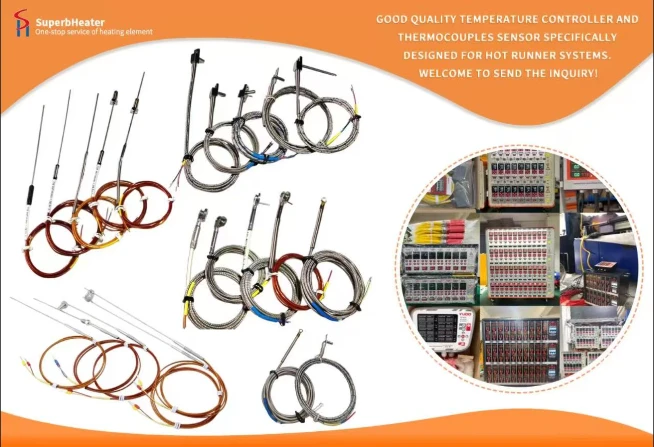

 English
- English
- Français
- Deutsch
- 日本語
- Italiano
- Español
- Português
- русский
- Indonesia
- عربي
- Ελληνικά
- Polski
- فارسی
- עברית
- Kreyòl Ayisyen
- 한국어
- Türkçe
- slovenčina
- Bai Miaowen
- Cymraeg
- dansk
- Lietuvių
- Malti
- Svenska
- Srbija jezik (latinica)
- O'zbek
- ไทย
- suomi
- magyar
- Eesti
- Català
- slovenščina
- Melayu
- Български
- اردو
- România limbi
- bosanski
- हिंदी
- Gaeilgenah Éireann
- Việt Nam
- বাংলা
- íslenska
- Norsk
- Latviešu
- hrvatski
- Nederlands
- Čeština
- українська


