Step 1: Determine the root reason of the recurrence. Examine the Husky thermostat's historical alarm logs to check that the alarm code is constant with each occurrence, ruling out occasional false alarms and identifying the precise channel and component causing the malfunction.
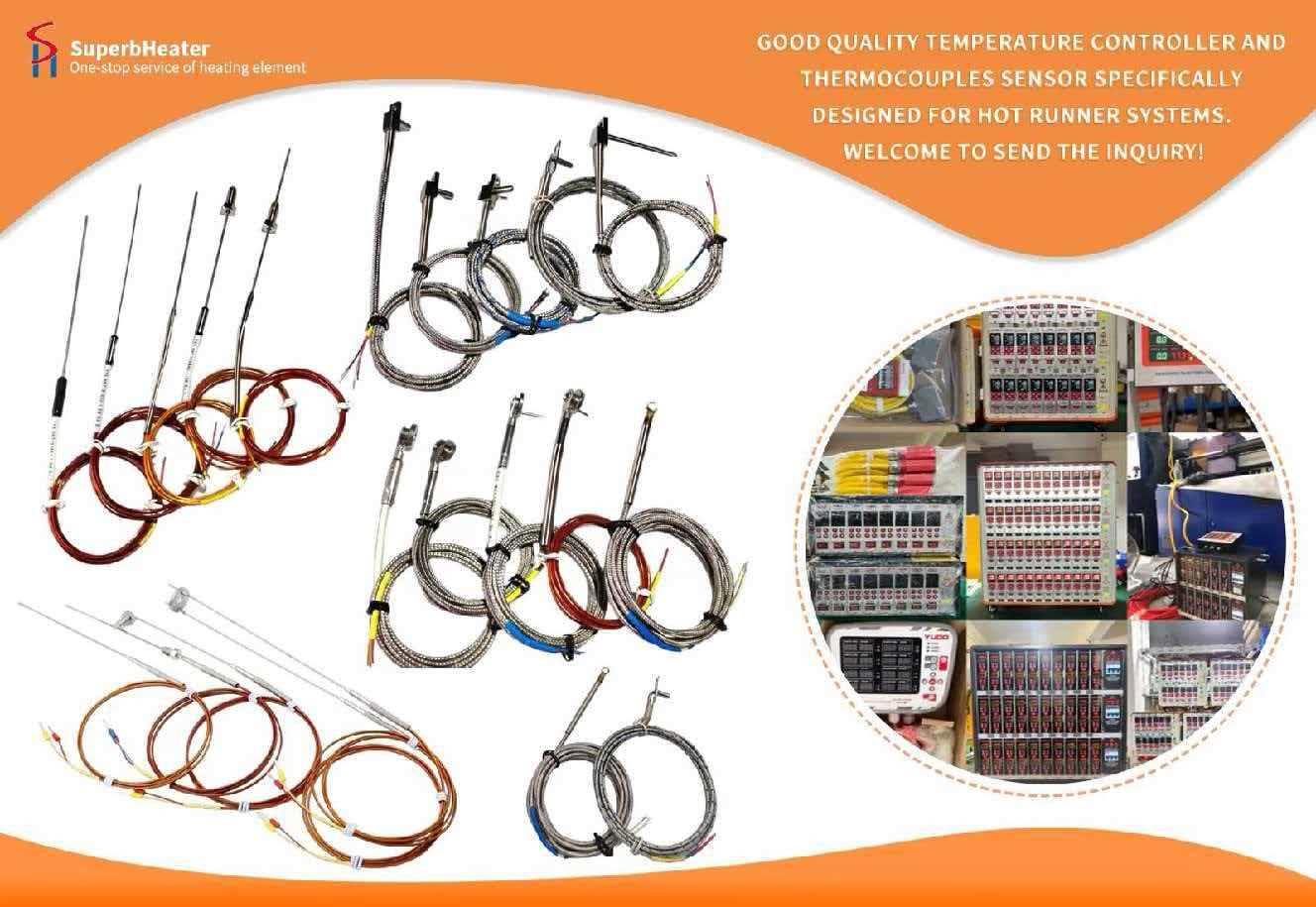
Recheck the thermocouple circuit: Using a multimeter, measure the circuit resistance and insulation resistance point by point, looking for concealed loose connections at the terminals, internal cracks in the compensating wires, and partial damage to the insulation layer that causes leakage.
Check for secondary hardware failures, such as partial short circuits in the heating coils of the relevant channels and overload current. Confirm that there are no performance degradation concerns with the thermostat's SCR output module.
Check for environmental interference: Check that the thermostat's signal shielding grounding resistance is ≤4Ω. Check for electromagnetic interference from the frequency converter and high-voltage equipment in the field to avoid false alerts produced by signal variations.
Step 2: Targeted and comprehensive correction.
Wiring-related issues: Re-crimp all terminals, replace compensatory wires with hidden damage, and rigorously adhere to the specifications for wiring the thermocouple positive and negative terminals and shielding layer to eliminate the danger of loose connections.
Hardware Deterioration Hazards: Replace degraded thermocouples and heating coils immediately. If the temperature controller channel output module is damaged, replace the temperature controller card to eliminate the hardware error.
Interference-Related Hazards: Install signal isolators in the thermocouple signal circuit and separate power and signal lines to totally eliminate electromagnetic interference routes.
Parameter-Related Hazards: To reduce false alarms caused by typical temperature changes, calibrate thermocouple temperature measurement settings, optimise the PID control curve, and turn off unneeded high-sensitivity alarm thresholds.
Step three: Long-term verification and closed-loop testing. After rectification, raise the temperature continually and keep it constant for more than 2 hours, while monitoring the temperature curve and load current data of the temperature controller to ensure that no alarms are activated.
Simulate manufacturing conditions and run for three complete injection moulding cycles to ensure that alarms do not occur again. Save the rectification record in the equipment maintenance file to finish the closed-loop operation.
This solution totally resolves the issue of frequent alert recurrence upon Husky temperature controller reset, preventing such errors from disrupting with normal manufacturing line operation.