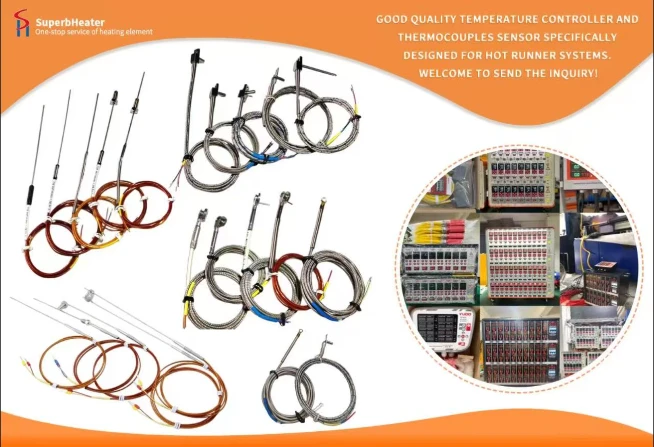
Thermocouple repair and welding are specialized skills that can extend sensor life and reduce replacement costs. However, improper repair techniques introduce measurement errors and reliability issues. Understanding proper repair methods is essential for maintenance technicians.
When Repair Is Appropriate
Not all thermocouple failures are repairable. Repairs are appropriate for mechanical damage to cables or connectors where the measuring junction remains intact. If the measuring junction is damaged (oxidation, corrosion, or mechanical breakage), replacement is required-recreating the alloy junction is not field-practicable without specialized equipment and certified alloys. Cable damage within the hot zone (sheath area) is generally not repairable; only extension cable sections outside the hot zone should be repaired.
Tools and Equipment Required
Specialized tools are required for thermocouple repair. A thermocouple welder with precise current control is essential to create reliable joints without overheating the alloy. High-temperature soldering is not suitable for hot runner applications due to the risk of melting; welding is the only acceptable method for joining thermocouple wires. Use only thermocouple-grade compensating wire of the same type as the original sensor. A multimeter with continuity and resistance measurement capability is required for verification.
Cable Extension and Termination
Extending thermocouple cable involves cutting back damaged sections, stripping insulation, and welding or mechanically connecting new cable. For welds, use the thermocouple welding machine with appropriate current settings-too low creates cold joints, too high damages the alloy. For mechanical connections, use thermocouple-grade connectors or crimp sleeves, not standard electrical connectors.
Connector Replacement
Connector replacement is the most common repair. When replacing connectors, maintain correct polarity-the positive leg must connect to the positive pin, negative to negative. Use thermocouple-grade connectors (typically miniature or standard types) with proper metal selection. After assembly, verify continuity and insulation resistance.
Sheath Repair
Sheath damage (cracks, holes) generally requires replacement of the affected section. Patch repairs are not recommended due to the risk of moisture ingress and insulation contamination. If the sheath is damaged but the internal wires are intact, a new sensor is the better solution.
Quality Verification After Repair
After any repair, thoroughly test the sensor. Measure continuity and resistance; verify no open or short circuits. Measure insulation resistance to ground; it should exceed 100MΩ at room temperature. Check polarity by heating the tip and verifying voltage increases with temperature. If possible, compare repaired sensor readings with a reference thermometer under the same conditions.
Preventive Measures to Avoid Repair
Preventing damage is better than repairing. Use protective cable conduits in areas where cables are exposed to mechanical stress. Implement strain relief to prevent cable pull-out. Use armored sheaths or protective sleeves in high-abrasion areas. Regular visual inspections catch damage early, before it causes failure.
Limitations of Field Repair
Field repairs cannot restore the sensor to original accuracy class. Repaired sensors should not be used in critical applications where Class 1 accuracy is required. Consider repaired sensors as "secondary" or "backup" for less critical zones. For medical, optical, or high-precision applications, always replace rather than repair.
Training and Certification for Repair Technicians
Only trained personnel should perform thermocouple repairs. Training should cover correct welding techniques, polarity identification, connector assembly, and quality verification. Certification programs ensure technicians have demonstrated competence before performing repairs on production equipment.
Repair Record Keeping
Maintain records of all repairs including date, technician, description of damage, repair method, and test results. This data helps identify recurring failure patterns and guides improvement in installation and maintenance practices.