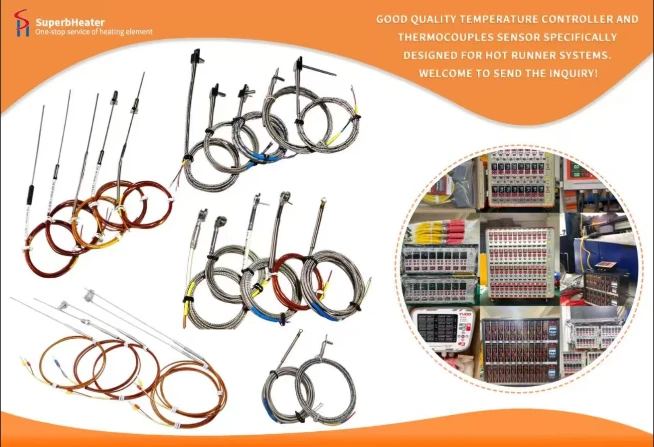
Thermocouple problems are often misunderstood by maintenance personnel. Some treat every temperature issue as a thermocouple problem. Others ignore the thermocouple until it's clearly broken. Communicating effectively about thermocouple issues helps everyone get on the same page.
Speak in Symptoms, Not Diagnosis
Instead of saying "the thermocouple is bad," describe the symptom: "Zone 3 is reading 230°C but parts are short, suggesting the actual temperature is lower." This is more helpful than a definitive diagnosis that might be wrong. The maintenance person can verify the symptom and work from there.
Provide Data, Not Opinions
"If you look at the trend, Zone 3 has been drifting upward over the last month." This is data-driven communication. It gives the maintenance person something specific to investigate. Opinions are often dismissed; data is harder to ignore.
Use the Right Terminology
Use thermocouple terms correctly: Type J, Type K, grounded, ungrounded, continuity, insulation resistance. Using the right terms demonstrates that you know what you're talking about and that the issue deserves attention. It also reduces the chance of misunderstanding.
Bring Records
If you have maintenance records showing when the thermocouple was last replaced, share them. This helps the maintenance person determine if the sensor is due for replacement or if the issue might be something else. Records are always useful.
Describe the Context
Is the problem worse when the mold is cold? Does it appear only after production has been running for a while? Is it better on some days than others? This contextual information helps diagnose the root cause. The more you know about the pattern, the easier the diagnosis.
Involve the Maintenance Person in Diagnosis
Ask the maintenance person to perform specific tests: check continuity, measure insulation resistance, swap with a known-good zone. This turns the repair into a collaborative troubleshooting exercise. The maintenance person learns more about the system, and you get a better outcome.
Document the Outcome
After the issue is resolved, document what fixed it. This builds institutional knowledge. Next time a similar issue occurs, the records will point you in the right direction. It's surprising how often the same problem recurs.