Valve-gate systems are often hydraulically actuated, and hydraulic leaks can cause a variety of problems, including inconsistent gate opening and closing, part defects, and safety hazards. Thermocouples can provide indirect detection of hydraulic leaks. The first sign of a hydraulic leak is a temperature change in the valve-gate zone. Hydraulic fluid is often heated by the system, so a leak can cause a localized temperature increase (due to the warm fluid) or decrease (if the leak causes a pressure drop and cooling). The second sign is a change in the required heater power. If a hydraulic leak causes a valve pin to stick, the friction can generate heat, causing the thermocouple to read a higher temperature. The controller will then reduce the power. A sudden drop in power percentage may indicate a leak. The third sign is an unstable temperature. An intermittent leak can cause the valve pin to open or close at the wrong time, affecting the melt flow and causing temperature fluctuations. The fourth step is to correlate the thermocouple data with the valve pin position. If a thermocouple shows a temperature spike when the valve pin is supposed to be closed, it may indicate that the pin is not sealing properly (perhaps due to a hydraulic leak causing low pressure). The fifth step is to use a thermal imager. A hydraulic leak will often show as a hot or cold spot on the valve-gate block. The thermocouple data, showing an abnormal temperature, can prompt this inspection. The sixth step is to check the hydraulic pressure. If the thermocouple data suggests a problem, measure the hydraulic pressure at the valve-gate actuator. A low pressure indicates a leak. The seventh step is to check for hydraulic fluid stains. A visual inspection of the valve-gate area may reveal the source of the leak. The thermocouple data, by indicating a problem zone, helps to focus the inspection. The eighth step is to take corrective action. If a leak is detected, it may require tightening the fittings, replacing a seal, or repairing the hydraulic line. After repair, use the thermocouple data to verify that the temperature has returned to normal. By using thermocouple data to detect hydraulic leaks, molders can address this issue quickly, preventing part defects and ensuring the safe operation of the valve-gate system.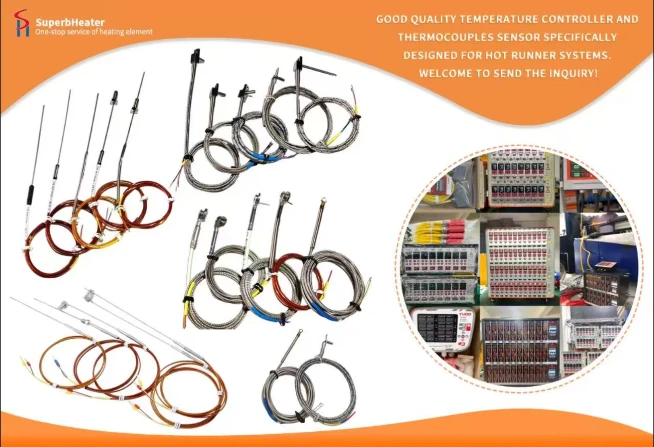

 English
- English
- Français
- Deutsch
- 日本語
- Italiano
- Español
- Português
- русский
- Indonesia
- عربي
- Ελληνικά
- Polski
- فارسی
- עברית
- Kreyòl Ayisyen
- 한국어
- Türkçe
- slovenčina
- Bai Miaowen
- Cymraeg
- dansk
- Lietuvių
- Malti
- Svenska
- Srbija jezik (latinica)
- O'zbek
- ไทย
- suomi
- magyar
- Eesti
- Català
- slovenščina
- Melayu
- Български
- اردو
- România limbi
- bosanski
- हिंदी
- Gaeilgenah Éireann
- Việt Nam
- বাংলা
- íslenska
- Norsk
- Latviešu
- hrvatski
- Nederlands
- Čeština
- українська


